How to Test Drive a Used Car
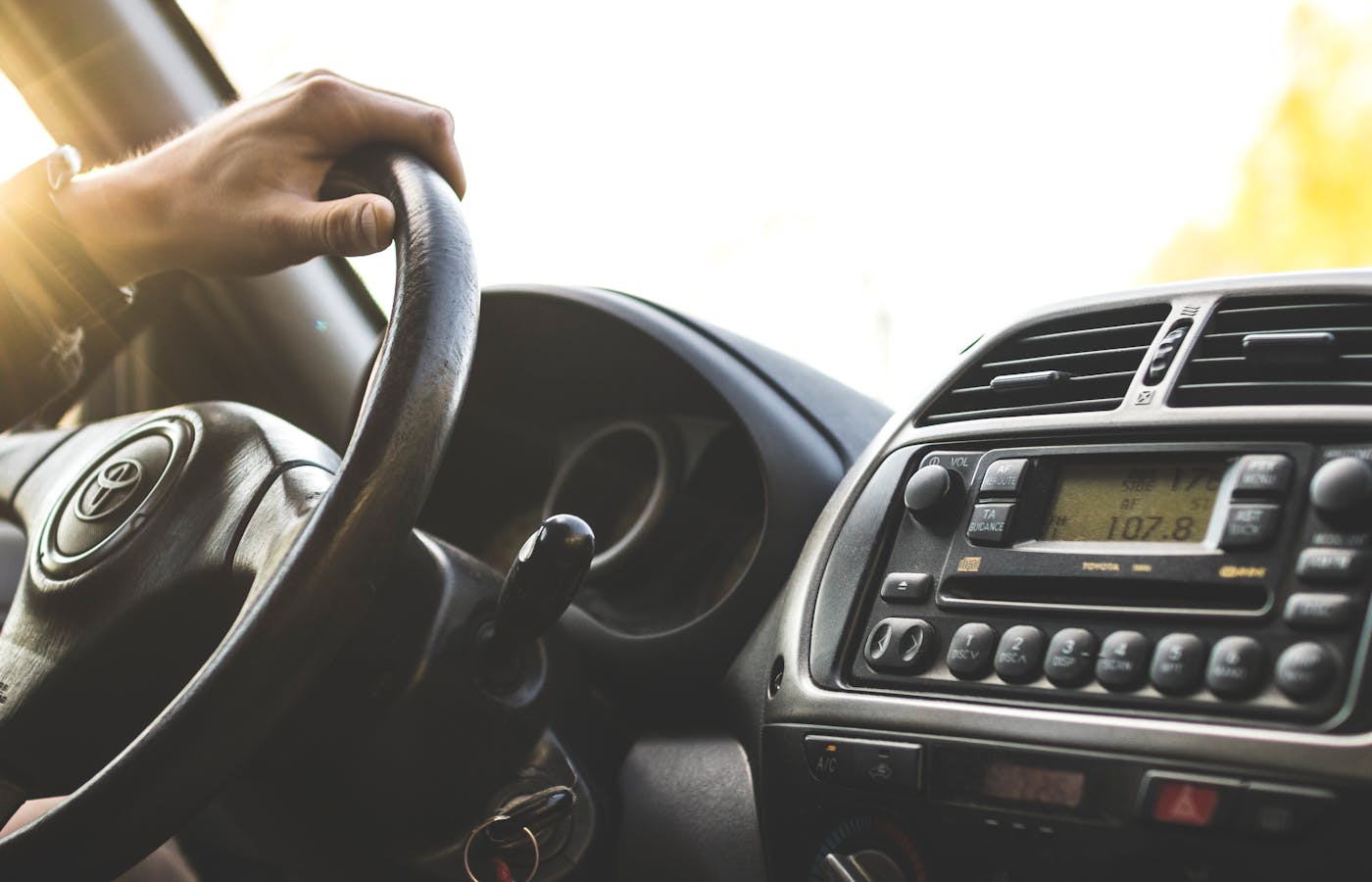
A used car can look clean in a driveway and still tell a different story once it moves. The test drive is where steering, braking, shifting, noises, smells, comfort, and seller behavior all become easier to judge. It should not be a quick loop around the block while someone talks over every sound.
Learning how to test drive a used car means giving yourself a route, a checklist, and enough quiet time to notice what the car is doing. You are not trying to diagnose every repair. You are trying to decide whether the car still deserves money, paperwork, and a professional inspection.
A useful test drive has a beginning, middle, and pause afterward. Start the car, drive it in normal conditions, then stop long enough to write down what felt right and what needs proof.
Start the used car test drive before the engine moves
The test drive begins before the car leaves the parking spot. Ask to start the car when the engine is cold if possible, because some noises, smoke, hesitation, and rough idle problems are easier to notice before the seller has warmed everything up. A warm engine is not automatically suspicious, but a cold start gives you more information.
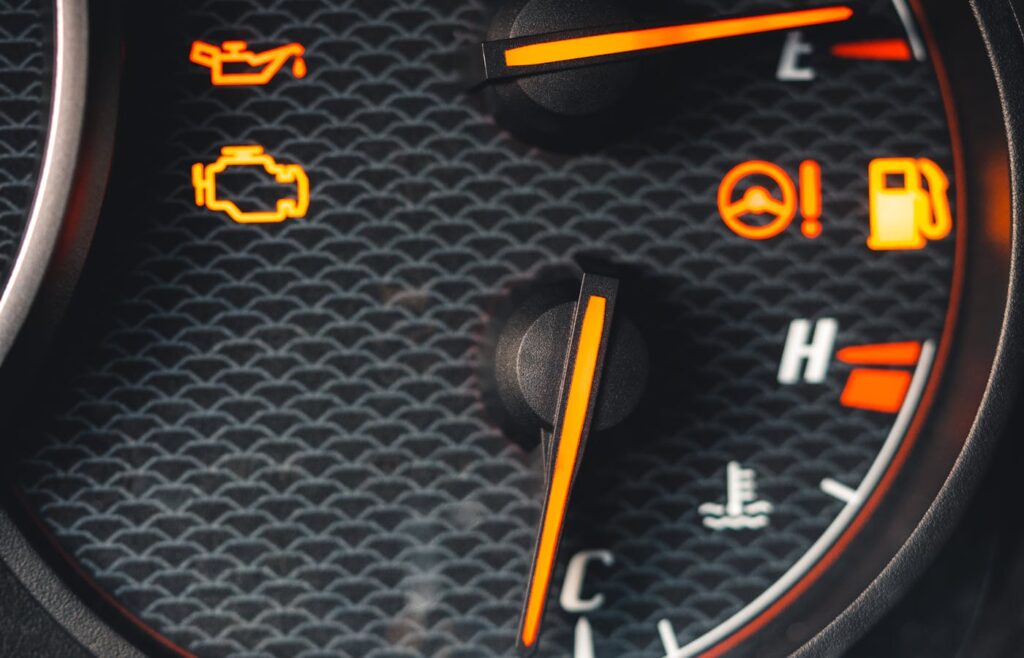
Turn the key or press the start button and listen. The engine should start without long cranking, heavy knocking, grinding, or repeated stalling. Watch the dashboard as the warning symbols appear and then go out. Some lights should show briefly during startup, but a light that stays on deserves a clear explanation before you continue.
Check the basics while parked: mirrors, seat adjustment, lights, turn signals, wipers, climate controls, windows, locks, backup camera, and charging ports. Small problems can become bargaining points, but they can also reveal neglect.
Plan a route that tests more than one easy street
A good route should include low-speed streets, turns, stop-and-go traffic, a parking maneuver, a short steady cruise, and a legal higher-speed stretch if the area allows it. One quiet street is not enough to understand how the car behaves. Different speeds reveal different problems.
Tell the seller you want a normal drive that includes braking, turning, and a few minutes at steady speed. If the seller refuses any reasonable route, rushes the drive, or insists on controlling every move, treat that as useful information. You are buying the car, not auditioning to please the seller.
I like to keep the radio off and the windows up for the first few minutes. Then I lower a window briefly to hear exterior noises. That small change can reveal squeaks, rattles, exhaust sounds, or wheel noises that music would hide.
- Start with a slow street and gentle turns.
- Add normal acceleration from a stop.
- Try steady cruising at a legal road speed.
- Brake smoothly in a safe open stretch.
- Park, reverse, and turn tightly before ending the drive.
Notice steering, braking, and how the car tracks
Steering should feel predictable. The car should not pull strongly to one side on a flat road, wander constantly, shake through the wheel, or feel loose when you make small corrections. A slight road crown can affect direction, so do not judge from one moment only. Look for repeated behavior across the route.
Braking should feel smooth and controlled. Pulsing, grinding, squealing, heavy vibration, a soft pedal, or the car diving sharply to one side can point to brake, tire, suspension, or alignment issues. Some sounds may be minor. Others are expensive enough that you should not guess.
Pay attention during parking lot turns too. Clicking, clunking, groaning, or a steering wheel that fights back can reveal problems that do not show up at cruising speed. Slow maneuvers are part of the test, not an afterthought.
Listen to the engine and transmission without distraction
Acceleration does not need to be aggressive to be useful. The engine should respond without severe hesitation, misfiring, rattling, or surging. A little engine noise is normal, especially in older cars, but sudden changes, heavy knocking, or smoke should slow the decision down.
For an automatic transmission, shifts should feel reasonably smooth and predictable. Watch for delayed engagement, harsh jolts, slipping, repeated hunting between gears, or a delay when shifting from park to drive or reverse. For a manual transmission, the clutch should engage cleanly without strong burning smell, grinding, or slipping under load.
One strange sound is not always a deal breaker, but it is always a question. Write it down and ask a mechanic to check it before purchase if the car otherwise seems promising.
- Listen during gentle acceleration and steady cruising.
- Notice whether shifts feel delayed, harsh, or inconsistent.
- Check for vibration through the seat, pedals, or steering wheel.
- Smell for burning oil, coolant, fuel, or hot brakes.
- Do not let conversation cover sounds you need to hear.
Watch dashboard lights during and after the drive
Dashboard lights matter during the whole drive, not only at startup. A check engine light, oil pressure light, temperature warning, battery light, brake warning, airbag light, or traction control warning should not be brushed off with a vague promise. Ask what the light means and request documentation of any diagnosis or repair.
If a light appears during the drive and disappears later, still write it down. Intermittent problems can be harder to diagnose, but they are not imaginary. A seller may say the car always does that. That explanation is not the same as proof that the problem is harmless.
Look at the temperature gauge once the car warms up. It should stay in a normal range. A rising temperature, strong coolant smell, or heater that behaves strangely can point to cooling system concerns. Those are exactly the kinds of issues a short, distracted drive can miss.
A warning light is not a negotiation detail until you know what caused it.
Check comfort and visibility like you will live with them
A car can be mechanically promising and still be wrong for the driver. Check seating position, blind spots, mirror view, pedal reach, steering wheel position, headroom, road noise, phone placement, cargo access, and whether the controls make sense. These details matter because they affect every drive after the purchase.
Try backing up and parking if it is safe to do so. Notice rear visibility, camera clarity, sensor behavior, turning radius, and how easy the car is to place in a normal parking space. A first-time buyer may focus on engine condition and forget that daily confidence matters too.
If another family member will drive the car, let that person sit in it before buying. A cramped seat, awkward pedal angle, or poor visibility can become a daily frustration even when the price looks attractive.
Pause after the used car test drive before deciding
The moment after the drive is when pressure often returns. The seller may ask what you think, mention another buyer, or start talking price. Pause before responding. Look at your notes and separate feelings from facts. Did the car start well? Did it steer straight? Did it stop smoothly? Did any warning light stay on? Did anything smell, shake, grind, or feel odd?
Use the test drive to decide the next step, not the final answer. If the car felt wrong, you can walk away. If it felt promising, ask for records, review paperwork, and arrange an independent inspection before committing. A clean test drive is encouraging, but it does not replace a mechanic looking underneath the car.
- Write down every sound, smell, warning light, and vibration.
- Ask for repair records that match the seller’s explanation.
- Do not negotiate away a problem you have not understood.
- Schedule an inspection before payment if the car still interests you.
- Leave if pressure replaces clear answers.
A test drive should make the decision clearer, not faster. Take a route that shows how the used car behaves, keep the cabin quiet enough to notice problems, and let the notes guide your next move. If the car is worth buying, it should survive a careful drive and a second look.