What to Check Before Buying a Used Car
Buying a used car can feel like a fast decision because the listing looks clean, the price seems fair, and someone else may be ready to buy it. That pressure is exactly why a checklist matters. The best time to slow down is before you hand over money, sign papers, or convince yourself that a small doubt is probably nothing.
This guide covers what to check before buying a used car in a practical order: budget, identity, condition, history, recalls, test drive, inspection, paperwork, and deal terms. I would rather lose one tempting car than buy the wrong one because I skipped a basic check.
A used car should make sense on paper, in person, and during the drive. If one of those three pieces feels wrong, pause until you understand why.
Set the real used car budget before looking
The first check is not the paint, mileage, or engine. It is the total cost. A used car price can look affordable until taxes, registration, insurance, loan interest, maintenance, tires, and immediate repairs are added. A low monthly payment can also hide a long loan or expensive add-ons.
Write down the maximum out-the-door price before visiting a seller. That number should include fees, not just the advertised price. If you plan to finance, compare the total cost of the loan, not only the monthly payment. A used car that stretches the budget too tightly can become stressful even if the car itself is decent.
Leave room for the first month of ownership. Oil service, filters, wipers, tires, brake work, registration, and insurance changes can arrive quickly. A little cash left in reserve is part of the purchase, not a bonus.
Confirm the used car VIN and basic identity
The vehicle identification number should match across the listing, dashboard plate, door label, title, registration documents, and any history report. If the VIN does not match, stop and ask why. A simple typo can happen, but mismatched identity details can also point to paperwork problems or a car you should avoid.
Check the year, make, model, trim, engine, mileage, and title status against what the seller claims. Small trim differences can change safety features, maintenance cost, value, and insurance pricing. Do not rely only on the listing headline, especially on marketplace posts where sellers may choose the closest available option.
Look for signs that labels have been damaged, removed, painted over, or replaced. Most buyers do not need to become fraud investigators, but they should know when the basic identity of the car feels unclear. A seller should be able to explain the car’s paperwork without rushing you.
Review the used car history without treating it as complete
A vehicle history report can help you spot accidents, title brands, odometer concerns, ownership changes, and some service records. It is a useful tool, but it is not a guarantee. Not every repair, crash, flood exposure, or mechanical problem appears in a report. A clean report should not replace looking closely at the car.
Read the timeline carefully. Mileage should rise in a believable pattern. A sudden gap, title change, auction record, repeated sale, or long period with no records is not always a deal breaker, but it deserves a question. Compare the report with the seller’s story. The details should support each other.
If the seller provides a report, still consider running your own check with the VIN. That helps you confirm the report belongs to the exact vehicle and was not edited, outdated, or copied from another car.
Check the used car for open safety recalls
Open recalls matter because they can involve defects that affect safety, reliability, or legal compliance. A recall does not automatically mean the car is bad, but it does mean you need to know what the issue is, whether the repair has been completed, and whether a dealer can perform the recall work soon.
Use the VIN to check recall status through an official recall lookup before buying. If an unrepaired recall appears, ask the seller for documentation and call a brand dealer to confirm repair availability. Some recall repairs are simple. Others may involve parts delays or concerns that change your decision.
Do not rely on a vague promise that it was already handled. Ask for paperwork or verify it yourself. Recalls are one of the easiest checks to do before purchase, and skipping them removes useful safety information from the decision.

Inspect the exterior for damage clues
Walk around the car in good daylight. Look for uneven panel gaps, mismatched paint, overspray, cracked lights, rust, dents, windshield chips, missing trim, and doors that do not close smoothly. These details do not always prove major damage, but they can show where to look more carefully.
Check the tires, too. Uneven tread wear can point to alignment, suspension, or inflation problems. Tires with very little tread left add cost right after purchase. Different tire brands or sizes on the same axle can also suggest rushed repairs or poor maintenance.
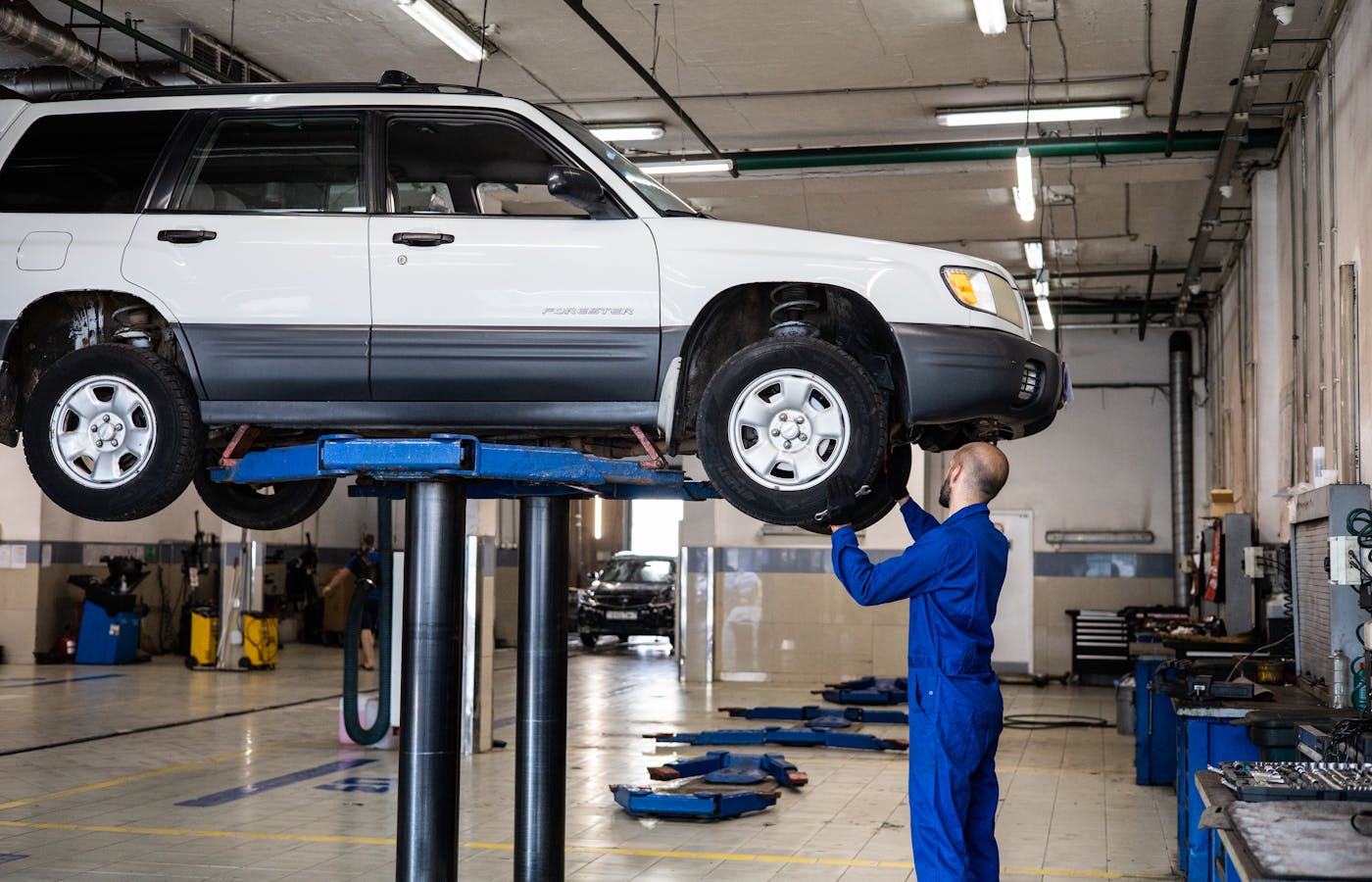
Look under the car from a safe distance without crawling under an unsupported vehicle. Fresh leaks, heavy rust, hanging parts, or obvious damage deserve a mechanic’s opinion. A clean exterior is nice, but the hidden condition matters more than shine.
Look inside for wear that matches the mileage
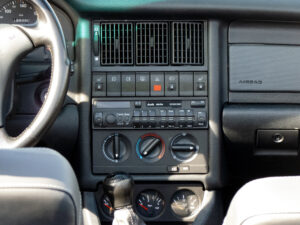
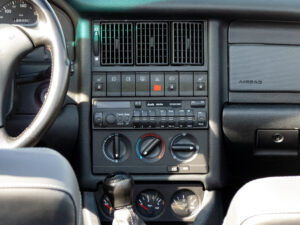
The interior tells a story about use. A high-mileage car can be clean and well kept, while a lower-mileage car can show hard wear. Check seat bolsters, pedals, steering wheel, switches, carpets, trunk area, seat belts, headliner, and dashboard warning lights. Wear should make sense for the mileage and age. When that inspection raises doubts, a used-car question checklist can help the buyer ask about records, symptoms, and recent repairs.
Turn on the lights, wipers, windows, locks, mirrors, climate controls, audio, backup camera, charging ports, and seat adjustments. A small electrical issue may seem harmless during the sale, but repairs can become expensive if the problem is tied to wiring, modules, or water intrusion.
Smell matters. Musty odors, heavy air freshener, damp carpet, or visible staining can suggest leaks or previous water problems. Do not ignore the cabin just because the engine sounds fine. You will live with the interior every time you drive.
Take a used car test drive that feels normal
A useful test drive should include starting cold if possible, gentle acceleration, steady cruising, braking, turns, parking, reverse, and a short stretch at higher road speed when legal and safe. Listen for knocks, squeaks, rattles, grinding, whining, or vibration. Notice whether the car tracks straight and stops smoothly. Dashboard warnings also matter during inspection, so dashboard warning lights helps the buyer avoid treating a light as a small detail.
Watch the dashboard. Warning lights should come on briefly at startup and then go out as expected. If a warning light stays on, flashes, or has been covered, do not treat it as a small detail. Ask for a diagnosis before purchase, not after.
Pay attention to how the transmission shifts, how the steering feels, and whether the engine temperature stays normal. You are not trying to become a mechanic in twenty minutes. You are trying to find reasons to ask better questions before committing.
Get an independent inspection when the car still seems promising
If the car passes your first checks, an independent pre-purchase inspection is the next smart step. A mechanic can look at brakes, suspension, leaks, tires, underbody condition, engine bay, diagnostic codes, previous repair signs, and maintenance needs. That inspection can reveal problems that a history report and test drive miss.
A seller who refuses any independent inspection is creating a serious warning sign. There may be practical scheduling limits, but a reasonable seller should understand why a buyer wants the car checked. If the car is being sold as-is, the inspection matters even more because many repair costs become your responsibility after purchase.
Do not let excitement turn the inspection into an afterthought; the inspection is part of deciding whether the deal is real.
Read used car paperwork and walk away from pressure
Paperwork should match the car, the seller, and the promises being made. Review the title status, odometer statement, bill of sale, warranty terms, buyer’s guide if buying from a dealer, financing contract, fees, taxes, add-ons, and return policy. Spoken promises are weak if they never appear in writing.
For dealer purchases, pay attention to whether the car is sold as-is or with a warranty. If there is a warranty, read what is covered, who pays, how long it lasts, and whether there are exclusions. For private sales, confirm your local title transfer and registration requirements before money changes hands.
- VIN matches all documents and the car itself.
- Title status is clear and understandable.
- Odometer reading matches the paperwork.
- Fees and add-ons are listed before signing.
- Warranty or as-is terms are written clearly.
The final check is how the seller responds to reasonable questions. A good deal should survive basic scrutiny. If the seller rushes you, avoids paperwork, blocks an inspection, changes the price unexpectedly, refuses to put promises in writing, or explains every concern with pressure instead of facts, walking away is a valid decision.
- Do the research before seeing the car.
- Inspect the car before negotiating seriously.
- Verify the paperwork before paying.
- Get promises in writing before signing.
- Pause when pressure replaces clear answers.
Knowing what to check before buying a used car will not make every decision easy, but it makes the decision slower in the right places. That is usually what protects your budget, your time, and your confidence after the keys are in your hand.