Used Car Buying Checklist for First-Time Buyers

A first used-car purchase gets easier when the decision slows down before the test drive. Excitement, pressure, and a clean-looking exterior can make a buyer skip the details that matter most.
This checklist follows the buying order: paperwork, history, exterior, interior, test drive, inspection, final price, and warning signs that mean it is time to pause.
Start the used car buying checklist with title details
Before getting attached to the car, confirm that the seller can legally sell it. The name on the title, registration details, VIN, and seller identification should make sense together. A clean conversation about paperwork is a good sign.
Be cautious if the seller avoids title questions, says the paperwork will be handled later, or gives a story that changes. A first-time buyer should not inherit a paperwork problem just because the car looks good.
Paperwork should be boring and clear. If the title, VIN, seller name, and registration story do not match, the buyer should slow down before discussing price.
Verify title and seller details first: A beginner should leave this step knowing what to look at, what to write down, and when to stop guessing. That boundary is what turns car care from worry into a manageable habit.
Ask for maintenance and accident history
Maintenance history shows how the car was treated. Oil changes, tires, brakes, battery, belts, coolant service, and major repairs all help you understand what may come next. Accident history matters because body repairs can hide alignment, sensor, or water issues.
No used car has a perfect story, but the seller should be able to answer reasonable questions. Receipts, inspection records, and a vehicle history report can all help. Missing records do not always mean walk away, but they should affect the price and caution level.
Maintenance history does not have to be perfect, but it should make sense. Regular oil changes, tire records, brake work, and major repairs help show how the car was treated.
Ask for maintenance and accident history: This check is strongest when it is connected to a real cue: mileage, a warning light, a sound, a smell, a leak, worn material, or something that changed while driving.
| Area | What to check |
|---|---|
| Title | Name, VIN, lien status, and seller details |
| History | Service records, accidents, and ownership notes |
| Inspection | Leaks, tires, lights, rust, and warning signs |
| Price | Fees, repairs, taxes, and first-month costs |
Walk around the car before the test drive
A slow walkaround can reveal things a quick test drive misses. Look at tire wear, panel gaps, paint color differences, windshield cracks, rust, dents, lights, and fluid spots under the car. Check that the VIN on the car matches the paperwork.
Do the walkaround in daylight when possible. Rain, darkness, and a rushed meeting can hide problems. A seller who pressures you to skip basic checks is giving you useful information too.
A slow walkaround gives the buyer time to notice mismatched paint, uneven tire wear, rust, leaks, cracked lights, and gaps that might be missed during a quick look.
Walk the car twice: once from a normal standing distance and once close enough to see tire edges, door seams, and lower panels. The first pass shows whether the car looks even. The second pass catches details that sellers may not mention unless you ask.

Check interior wear and warning lights
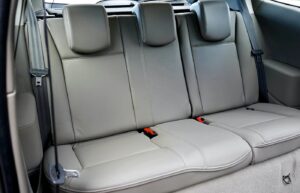
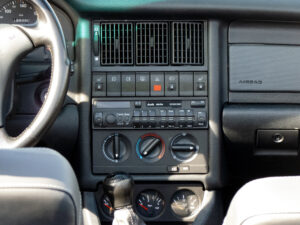
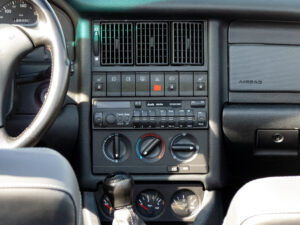
The inside of the car tells a story. Heavy seat wear, damp smells, broken switches, warning lights, sticky controls, or mismatched mileage clues can point to neglect or hidden problems. Test windows, locks, wipers, mirrors, air conditioning, heat, infotainment, and seat adjustments.
Turn the key or start button to the accessory position and watch the dashboard lights. Some lights should appear briefly and then go away after the engine starts. A warning light that stays on needs explanation before you buy.
Interior wear can reveal use that the odometer alone does not explain. Pedals, seat bolsters, steering wheel shine, smells, and warning lights all deserve attention.
Check interior wear and warning lights: Records matter here because memory gets fuzzy. Dates, mileage, photos, receipts, and short notes can help a driver compare today’s concern with what happened last month.
Take a test drive with the radio off
A quiet test drive helps you hear the car. Listen during startup, idle, acceleration, braking, turning, and low-speed parking maneuvers. Notice vibration, pulling, delayed shifting, squeaks, grinding, or smells.
Drive on more than one type of road if possible. A car may feel fine at neighborhood speed and behave differently on a faster road. Do not let conversation or music cover the sounds you need to notice.
Turn the radio off during the drive so the car is easier to hear. Notice starting, braking, shifting, steering, vibration, and whether the car tracks straight. A buying checklist is stronger when used-car question checklist gives the buyer specific questions before money changes hands.
Take a test drive with the radio off: A slow inspection is often better than a dramatic fix. Looking carefully at tires, lights, fluids, glass, paperwork, or interior wear can prevent a rushed decision later.
- Start the car cold if possible.
- Drive slowly, then at normal road speed.
- Brake gently and firmly in a safe place.
- Listen with the radio off and windows up.
Request an independent inspection
A pre-purchase inspection is one of the best protections for a first-time buyer. A mechanic can look underneath, scan for codes, inspect leaks, check suspension, evaluate brakes, and spot issues that are easy to miss.
If the seller refuses an inspection, ask why. Some private sellers may have scheduling concerns, but a flat refusal should make you cautious. The cost of an inspection is small compared with buying the wrong car.
An independent inspection is not an insult to the seller. It is a normal protection for a first-time buyer who cannot see every mechanical issue alone.
Request an independent inspection: When the answer is unclear, the safest next step is asking a qualified mechanic or experienced helper. Guessing is not a requirement of responsible car ownership.
- Ask the inspector to check for leaks and rust.
- Request a scan for stored codes.
- Ask about tires, brakes, suspension, and battery.
- Use the findings to negotiate or walk away.
Compare final price with first-month repairs
The sale price is not the full cost. Taxes, registration, insurance, inspection, tires, brakes, fluids, battery, and immediate repairs can change the real number quickly. A cheap car that needs urgent work may not be cheap.
Set aside money for first-month fixes before committing. If the seller says something is easy or inexpensive to repair, price it before believing it. A buyer should calculate with real numbers, not hopeful guesses.
The real price includes the first month after purchase. Taxes, registration, insurance, tires, fluids, brakes, or a battery can change whether the deal is actually affordable.
Separate must-do repairs from nice-to-have improvements. Tires, brakes, safety lights, leaks, and serious warning lights affect whether the car is ready to own. Cosmetic scratches, stereo upgrades, and convenience fixes can wait.
Pause when the seller pressures you
Pressure is a warning sign. Phrases like “someone else is coming now,” “do not worry about the title,” or “you do not need an inspection” are meant to rush your decision. A good used car should survive reasonable questions.
Be willing to leave. There will be other cars. Walking away from a confusing deal is not losing; it is protecting your money, time, and safety.
Pressure is a useful warning sign. A seller who rushes, refuses inspection, changes details, or says another buyer is waiting may be trying to prevent careful thinking before the buyer can verify the car.
Pause when the seller pressures you: If something feels pressured, slow down. Whether the issue is a seller, a warning light, or a cleaning task, careful attention usually reveals more than speed.