Brake Warning Light: What Drivers Should Know
You are backing out of a parking space, glancing at the mirrors, and a red word or symbol stays lit on the dashboard. That moment deserves attention before the drive becomes routine. It may be something simple, like the parking brake not fully released, but it can also point to low brake fluid, worn brake parts, a hydraulic leak, or a brake system fault that needs attention before the car keeps moving.
The key is not to panic and not to ignore it. Brake systems are built with layers of protection, but the red brake warning light deserves a different level of caution than a reminder light or a minor comfort feature. If the pedal feels different, the car pulls while stopping, or the light stays on after a quick check, the safest answer is to stop driving and get help.
The brake warning light meaning depends on what appears with it. A light that comes on while parked, a light that stays on after releasing the parking brake, and a light that appears with a soft pedal are not the same situation.
Treat the brake warning light as a safety signal
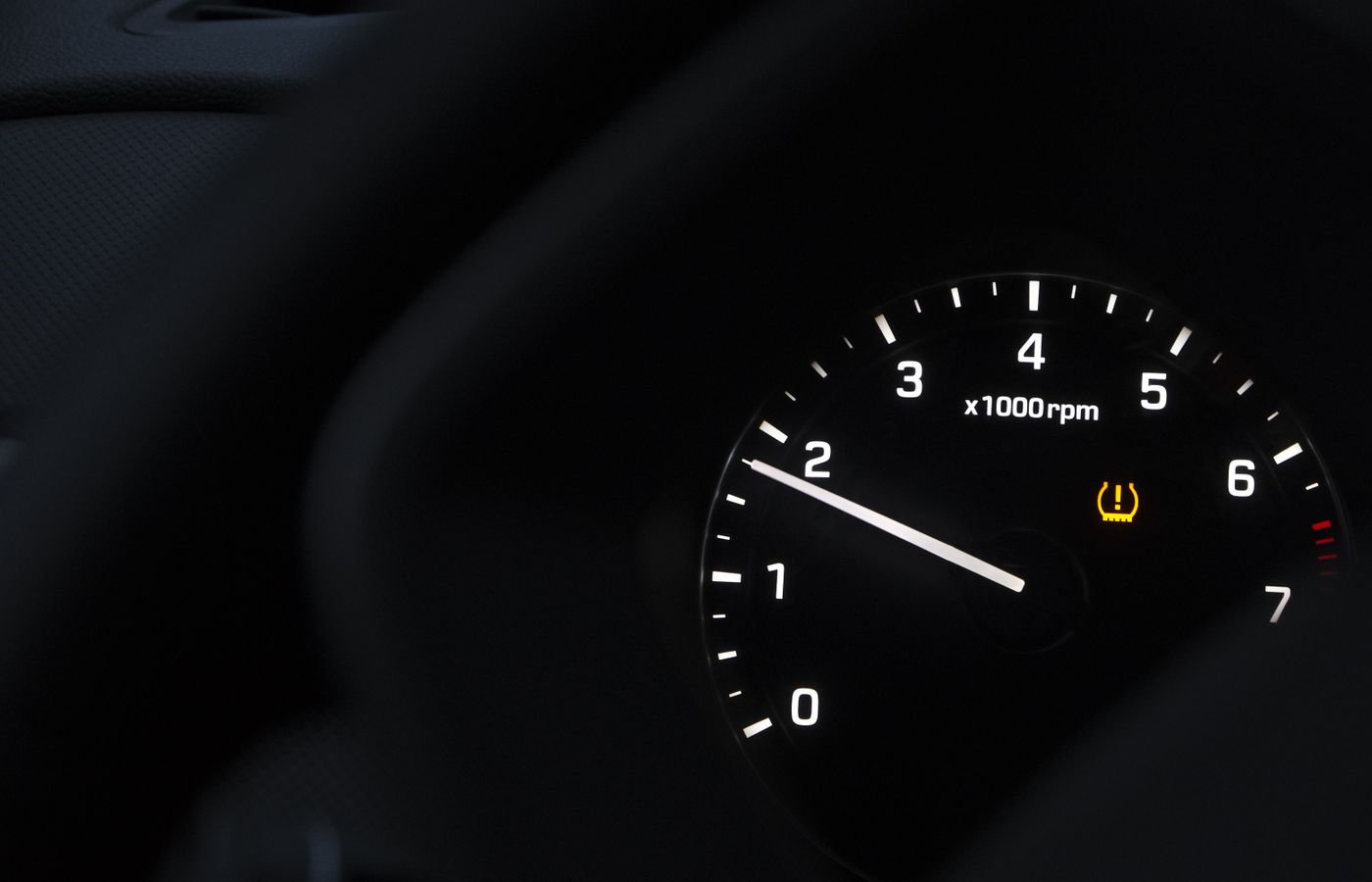
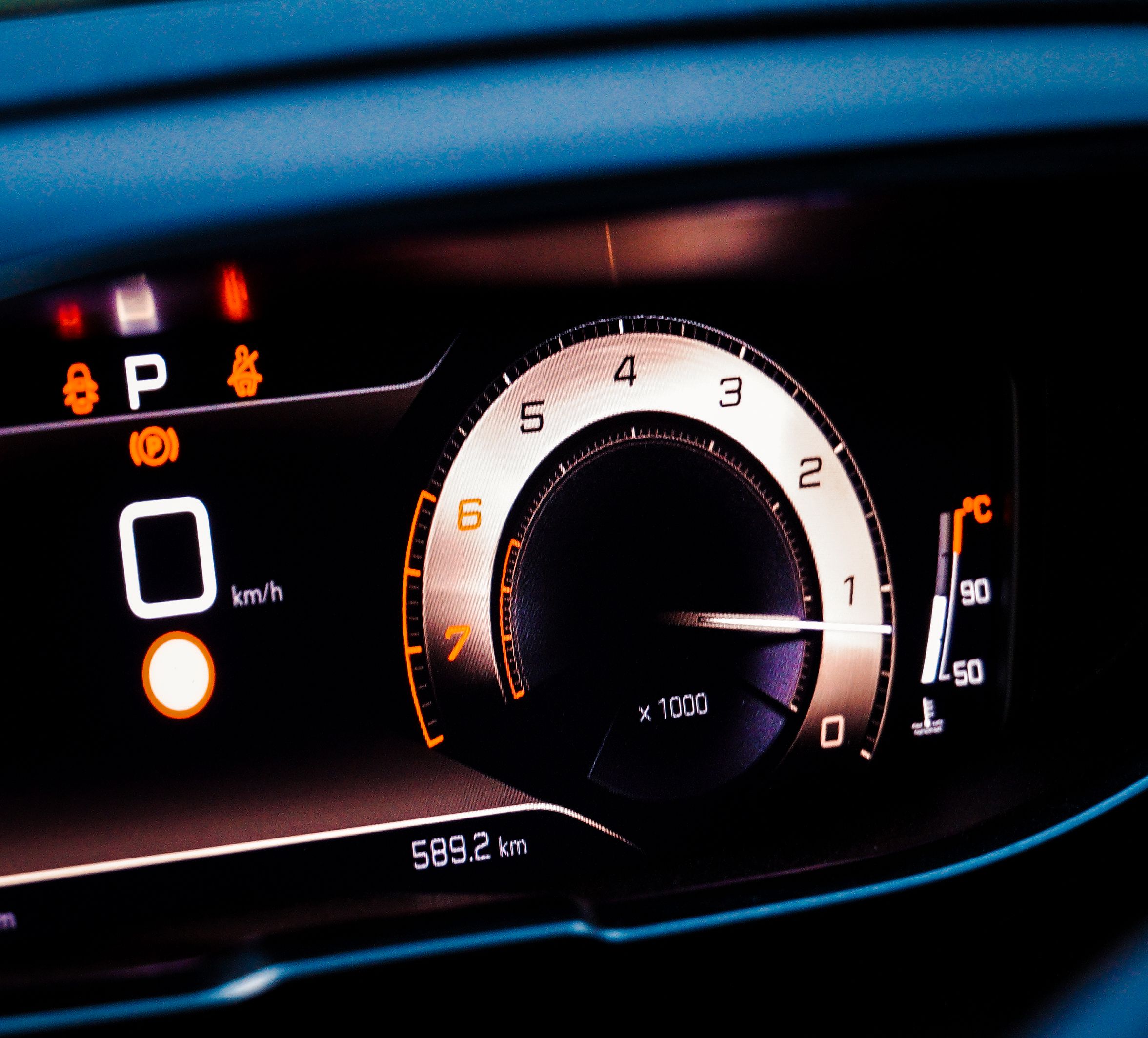
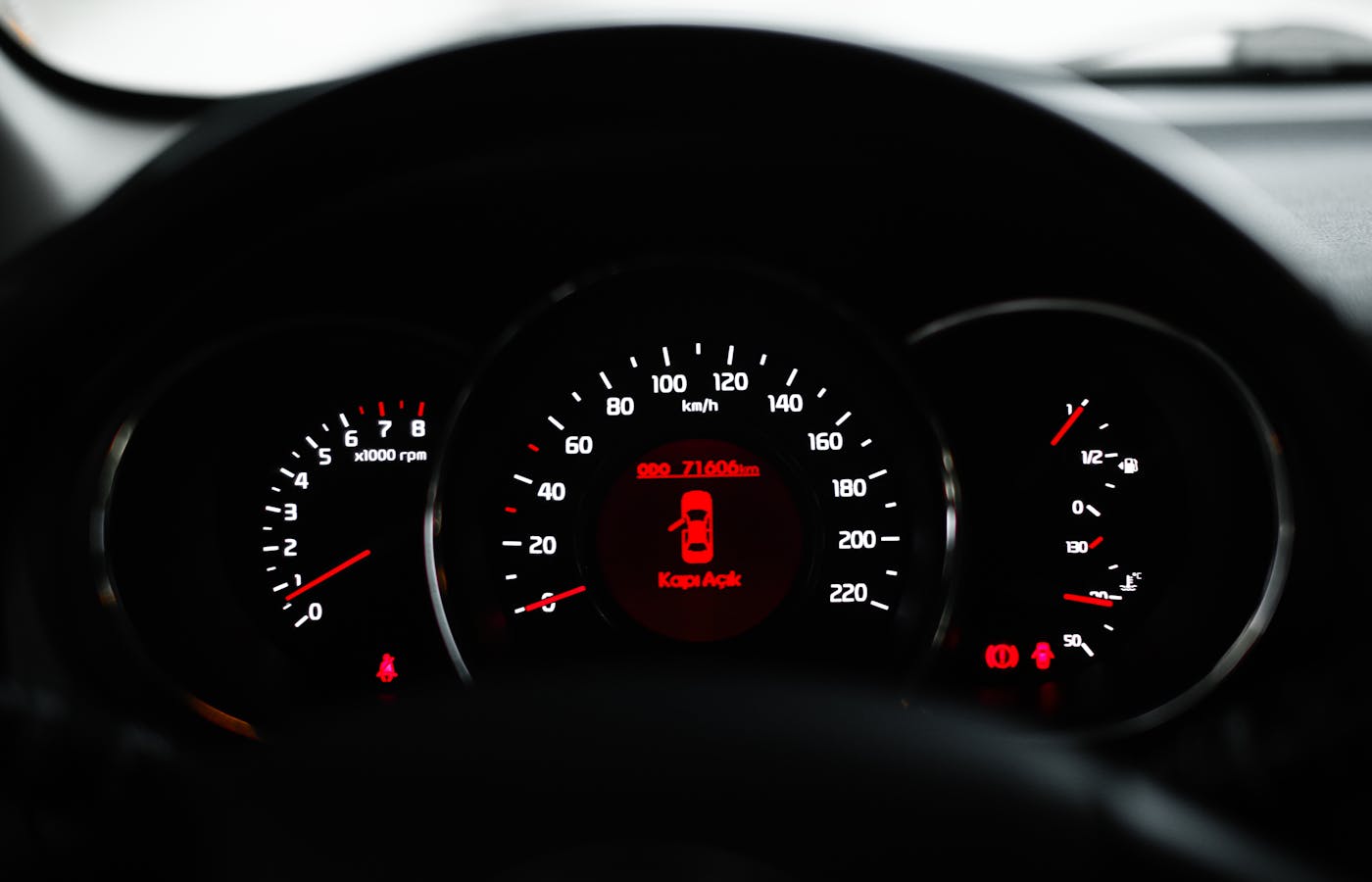
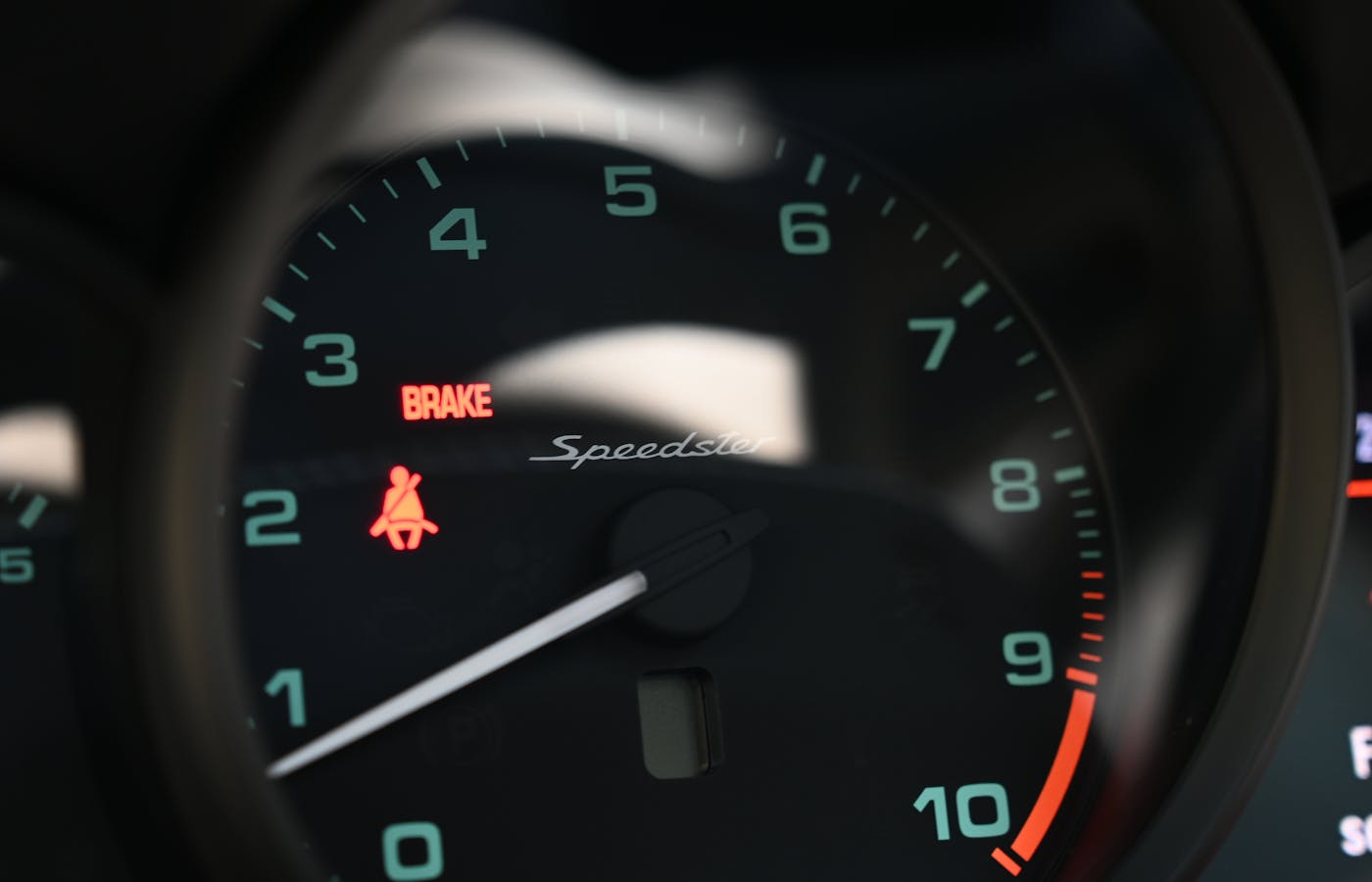
The brake warning light is usually red because it is connected to a system that affects stopping distance and control. Some cars show the word BRAKE. Others use a circle with an exclamation mark, a parking brake symbol, or a message in the instrument cluster. The exact shape depends on the vehicle, so the owner’s manual is still the best place to confirm the symbol for your model.
What matters first is how the car behaves. If the light appears and braking still feels normal, you may have time to make a careful check in a safe place. If the pedal feels soft, sinks lower than usual, pulses strangely, or the car needs more distance to stop, treat the light as urgent. Do not keep driving just to see whether it goes away.
I think of this light as a pause button, not a mystery to solve while rolling. Pull over safely, keep the car still, and work through the simple causes before deciding what comes next.
Check whether the parking brake is fully released
The simplest cause is a parking brake that is still partly engaged. This can happen with a hand lever, foot pedal, electronic parking brake button, or a switch that did not fully register. If the brake warning light appears right after starting the car, check the parking brake before assuming the worst.
Release it fully, then watch whether the light goes out. With an electronic parking brake, make sure your foot is on the brake pedal and follow the normal release sequence for that vehicle. If the light disappears and the car rolls normally, the issue may have been simple. Still, pay attention to any smell, drag, or unusual resistance once you move.
If the light stays on after the parking brake is clearly released, do not keep repeating the same action and hoping. That means the warning may be connected to fluid level, a sensor, worn brake components, or another fault. A stuck parking brake can also create heat and damage if you drive far with it engaged.
Look for brake fluid or pedal changes
Low brake fluid is one of the most important reasons a brake warning light can stay on. The fluid level can drop as brake pads wear, but it can also drop because of a leak. That is why topping off fluid without understanding the reason can hide a serious problem. The reservoir level is a clue, not a final diagnosis.
Park on level ground, turn the car off, and check the brake fluid reservoir only if you can do it safely and know where it is. The fluid should usually sit between the minimum and maximum marks. If it is below minimum, if you see wet spots near wheels or under the car, or if the pedal feels soft, avoid driving. Brake hydraulic problems are not worth gambling with.
- Notice whether the brake pedal feels lower, softer, harder, or uneven.
- Look for fresh fluid near the inside of the wheels or under the car.
- Check whether the warning started after recent brake work.
- Do not rely on adding fluid if the cause is unknown.
- Use a tow or roadside help if braking confidence is reduced.
Separate the brake warning light from the ABS light
The brake warning light and the ABS light are related, but they do not always mean the same thing. The red brake light is usually tied to the main brake warning system, parking brake status, low fluid, or a hydraulic concern. The ABS light usually points to the anti-lock braking system, wheel speed sensors, wiring, or control electronics.
If only the ABS light is on, the car may still have normal basic braking, but anti-lock braking may not work correctly in a hard stop or slippery condition. If the red brake warning light is on, the concern can be more immediate because it may involve the main braking system. If both lights are on together, take the situation seriously and avoid normal driving until the system is checked.
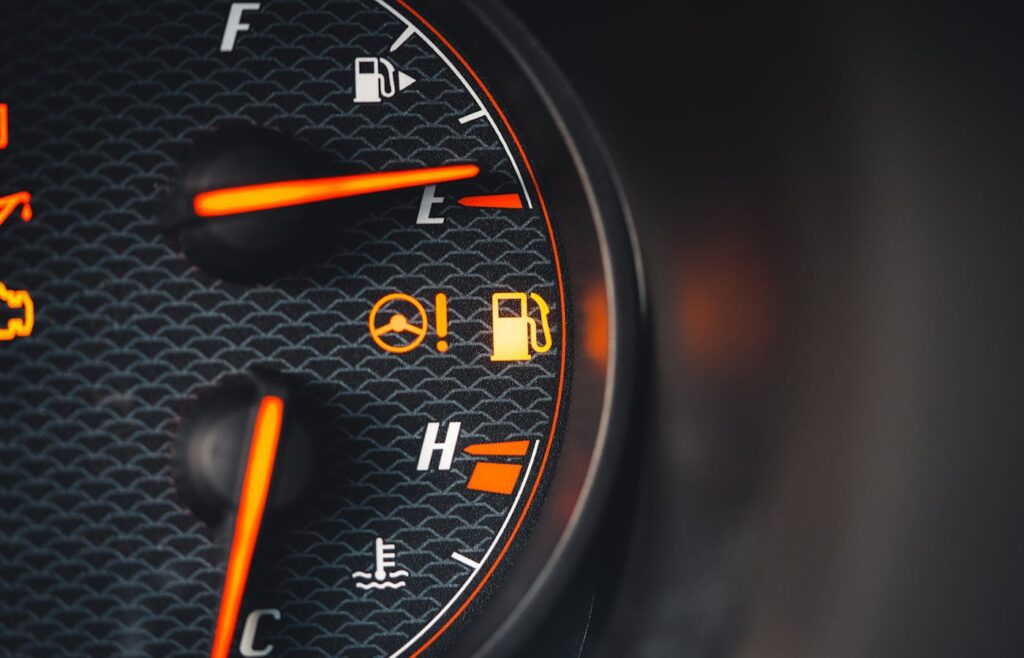
Dashboard symbols can be confusing because one cluster may show several warnings at once. Read them separately. A seat belt icon, fuel light, traction symbol, ABS light, and red brake warning can all appear in the same area, but each one tells a different story.
Know when to stop driving instead of troubleshooting
Some brake warning situations should end the drive immediately. If the pedal feels soft, sinks toward the floor, becomes unusually hard, or the car pulls strongly while braking, stop in a safe location. The same is true if you hear grinding, smell burning, see fluid, or need more distance than normal to slow the car.
The table below is a quick way to separate a cautious check from a stop-driving problem. It is not a replacement for a mechanic, but it helps keep the decision practical when the dashboard suddenly asks for attention.
| What you notice | What it may suggest | Best next move |
|---|---|---|
| Light goes out after releasing parking brake | Parking brake was partly engaged | Drive gently and watch for drag or smell |
| Light stays on with normal pedal | Fluid level, sensor, or brake wear concern | Inspect soon and avoid long trips |
| Light stays on with soft pedal | Possible hydraulic problem | Stop driving and arrange help |
| Red brake light and ABS light together | Multiple brake system warnings | Avoid normal driving until checked |
When in doubt, choose the slower and safer option. A brake problem can turn a normal errand into a dangerous situation faster than most dashboard issues.
Use a simple response routine
A calm routine helps because dashboard warnings often appear at inconvenient moments. The goal is to get off the road safely, check the obvious items, and make a decision based on the car’s behavior, not on wishful thinking. Do the steps only when traffic and location allow it.
- Ease off speed and avoid sudden braking if the car still responds normally.
- Pull into a safe parking area or wide shoulder.
- Confirm the parking brake is fully released.
- Check brake pedal feel before moving again.
- Look for fluid leaks, burning smell, or grinding sounds.
- Call for service or towing if the light stays on with any braking change.
Do not test the brakes aggressively on a busy road just because a light appeared. If you need to feel whether the pedal responds, do it slowly in a safe area with space around the car. The warning is already enough reason to be gentle.
When the brake warning appears, the smartest move is to make room for a safer decision.
Prevent repeat brake warnings with maintenance habits
Many brake warnings are easier to handle when the car has a clear maintenance history. Regular brake inspections can catch worn pads, leaking calipers, damaged hoses, old fluid, or uneven brake wear before the dashboard has to announce a problem. Brake fluid condition also matters because old fluid can absorb moisture over time and reduce performance.
Pay attention between services. New squealing, grinding, vibration, burning smell, pulling, or a pedal that changes height should be checked before a warning light appears. A car does not always wait for the perfect moment to tell you something is wrong, so small symptoms deserve respect.
This dashboard warning can have a simple cause, but the system behind it is too important to guess about for long. Start with the parking brake, notice pedal feel, check for fluid clues when safe, and stop driving if anything feels abnormal. A short delay for inspection is far better than discovering a brake problem when you need the car to stop.