Night Driving Safety Tips for Beginners

Dark roads make ordinary driving habits feel smaller and slower. A lane line is harder to read, pedestrians appear later, glare can hide details, and tiredness becomes easier to ignore. That is why night driving safety tips for beginners should focus on visibility, space, speed, and knowing when the drive is no longer worth pushing.
You do not need special confidence to drive after sunset. You need a calmer setup and a few clear rules. I treat night driving as a different version of the same trip: fewer visual clues, more reaction time needed, and less room for distraction. When beginners respect those limits, the drive usually feels more predictable.
Set up the car before night driving starts
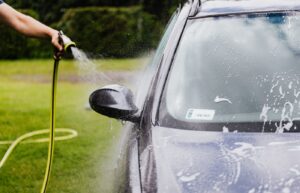
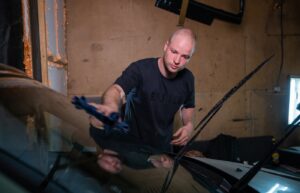
The safest night drive begins before the car moves. Clean glass matters more after dark because streaks, fingerprints, dust, and fog scatter light from headlights and street lamps. A windshield that seems acceptable in daylight can turn into a glowing blur at night. Wipe the inside glass, clear the outside, and make sure mirrors are clean enough to show shapes without haze.
Check headlights, brake lights, turn signals, and hazard lights when you can. If a headlight is dim, aimed badly, or out, night driving becomes harder for you and for other drivers trying to judge your position. Use low beams around traffic, high beams only when appropriate, and switch back early when another vehicle approaches.
Inside the car, lower the dashboard brightness if it competes with the road. A bright screen can make your eyes work harder every time you look back outside. Set navigation, climate, music, and phone placement while parked. The goal is simple: once the drive starts, your eyes should return to the road quickly and often.
Before a longer night trip, I would also check fuel range, washer fluid, wipers, tire pressure, and whether the route has construction or rural stretches. Night driving is easier when the car is not adding surprises to an already lower-visibility situation.
Read the road with more distance than usual
At night, you see less of the road ahead, so speed needs to match what your headlights and street lighting can actually reveal. A familiar road can still hide a stopped vehicle, animal, pedestrian, pothole, or debris until much later than daylight would. If you cannot clearly understand the road ahead, the correct response is usually to slow down.
Following distance deserves extra attention. Tail lights can make traffic look simple, but brake lights still appear suddenly, and depth can be harder to judge in the dark. Leave more space than you think you need, especially behind large vehicles, motorcycles, bicycles, or cars with dim lights. More space gives your eyes and hands time to catch up.
Look farther ahead instead of staring at the headlights directly in front of you. Scan lane lines, reflectors, signs, shoulders, parked cars, crosswalks, and the movement of other vehicles. In neighborhoods, watch for people near driveways and intersections. On rural roads, scan the edges for animals or dark shapes that do not match the background.
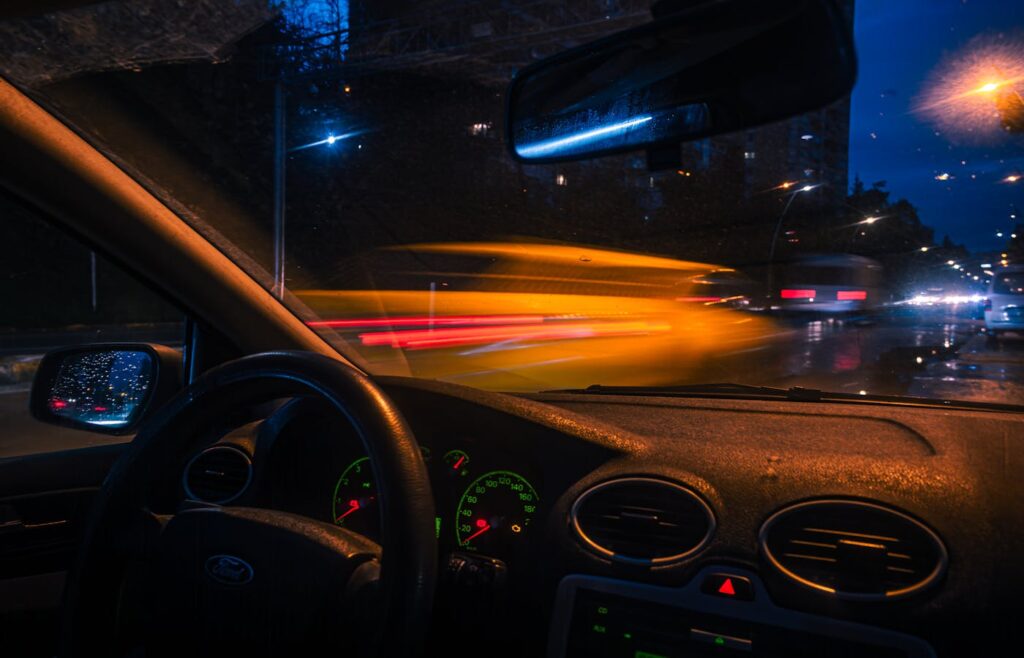
A beginner mistake is driving the same speed as daylight just because the speed limit allows it. The speed limit is not a promise that visibility is good. If rain, fog, glare, curves, fatigue, or unfamiliar roads reduce what you can see, let the car slow down before the situation forces a sharper reaction.
Manage glare without fighting every headlight
Headlight glare is one of the biggest reasons night driving feels stressful. Modern lights can be bright, and wet pavement, dirty glass, mirrors, and oncoming traffic can multiply the effect. The answer is not to stare harder. Look slightly toward the right edge of your lane or the lane markings while keeping the whole scene in awareness.
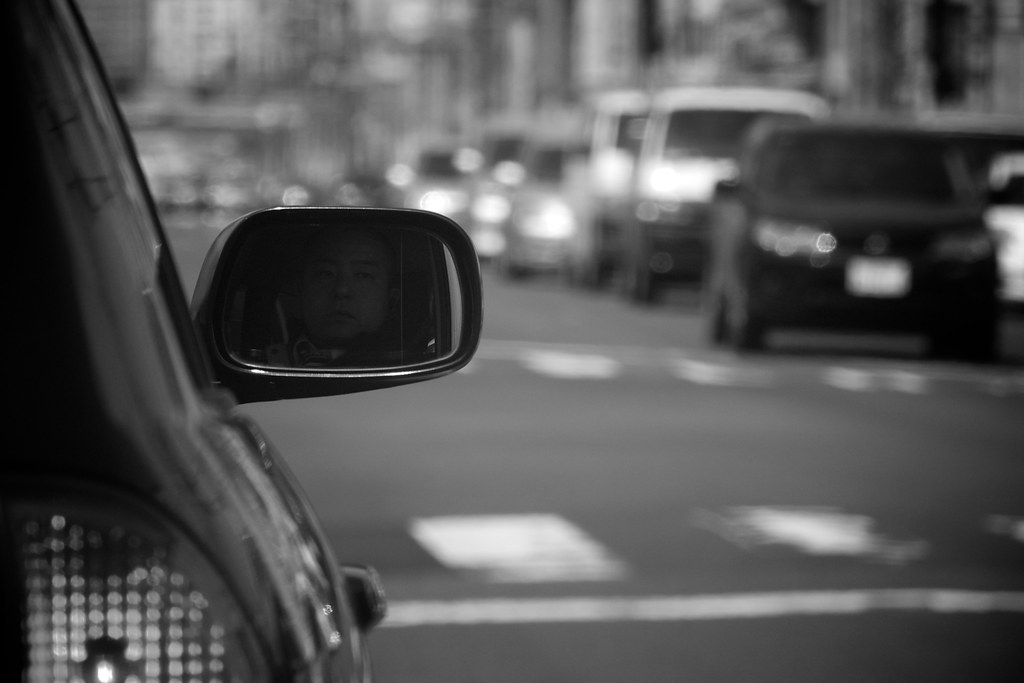
Use the mirror night setting if your rearview mirror has one. Adjust side mirrors correctly so lights behind you do not sit directly in your eyes. Keep the windshield clean because haze turns small points of light into large smears. If glare suddenly gets worse, check whether the inside glass, glasses, or contact lenses need attention before blaming only the road.
Do not answer glare with your own high beams in traffic. High beams help on empty dark roads, but they can blind other drivers when used late or carelessly. Switch to low beams early enough for oncoming vehicles and when following another car. If someone else leaves high beams on, keep your lane position steady, reduce speed if needed, and avoid turning the moment into a contest.
- Clean the windshield inside and outside before regular night driving.
- Dim dashboard and screen brightness so the road stays dominant.
- Use mirror night mode when headlights behind you are distracting.
- Look toward lane markings instead of directly into oncoming lights.
- Slow down when glare hides pedestrians, curves, or lane edges.
Glare becomes more manageable when you remove the problems you control. Clean glass, calmer speed, correct mirrors, and less cabin brightness will not make every headlight comfortable, but they keep the road from turning into a wall of light.
Protect attention when the drive feels quiet
Night driving can feel quiet in a way that tricks beginners. Less traffic may make the road seem easier, but fatigue, low light, and empty stretches can reduce attention. If your eyes feel heavy, your lane position gets sloppy, or you realize you missed the last few signs, treat that as information. Tired driving is not a personality test. That inspection step is stronger with long-road-trip safety checklist because a checklist keeps the driver focused on what to verify next.
Plan breaks sooner at night than you would during the day. A short stop for water, air, stretching, or changing drivers can matter more than pushing through. Caffeine may help for a while, but it does not replace sleep. If you are nodding, drifting, or blinking hard to stay alert, the safest option is to stop in a safe, well-lit place.
Distraction also gets more expensive at night. A glance at a phone, food wrapper, playlist, or passenger conversation takes attention away when visual information is already limited. After dark, a small distraction can last longer than it feels. Put the phone away, set navigation audio before moving, and ask passengers for quiet during complicated turns, rain, construction, or unfamiliar roads.
After dark, safe driving is less about bravery and more about protecting the few seconds you need to see, decide, and respond.
If you notice tension building, reset instead of trying to force confidence. Take the next safe exit, pull into a bright parking lot, clean the windshield if needed, check the route, and restart only when your eyes and mind feel ready. A five-minute pause is often better than twenty minutes of tense guessing.
Decide when night conditions deserve a slower plan
Not every night drive should continue in the same way. Heavy rain, fog, snow, road construction, bright oncoming traffic, animal crossings, poor lane markings, and tiredness can combine quickly. Beginners should learn to change the plan early: slow down, choose a better-lit route, stop for a break, or delay the trip if conditions feel beyond their comfort.
Use a simple reset routine when the drive starts feeling harder than expected:
- Ease off the speed before making any other decision.
- Increase following distance and avoid tight lane changes.
- Check whether glare, fog, rain, or dirty glass is the main problem.
- Turn on the correct lights and wipers for the conditions.
- Move to a safer road, exit, or parking area if focus is dropping.
- Call someone or wait if continuing would require guessing.
This routine keeps the decision practical. You are not asking whether you are a good driver. You are asking whether you can see enough, stay awake enough, and leave enough space to react. If the answer is weak, the route needs to change.
Night driving gets easier with experience, but it should never become casual in the wrong conditions. Set up the car, read farther ahead, manage glare, protect your attention, and slow the plan down when visibility drops. That is how beginners turn night driving from a nervous guess into a controlled habit.