Car Seat and Seat Belt Safety Basics for Families
Family driving can feel routine until every passenger needs a different kind of restraint. One child may still need a harness, another may be ready for a booster, and an older passenger may buckle up quickly without checking whether the belt sits correctly. Car seat and seat belt safety basics for families help turn that confusion into a repeatable habit before every trip.
The details can vary by child, vehicle, car seat model, and local law, so the car seat manual and vehicle manual matter. The basics are still consistent: use the right restraint for the passenger, install and tighten it correctly, keep children in the rear seat when appropriate, and check that every belt sits on strong parts of the body.
A safe family ride starts before the vehicle moves, not after someone notices a loose belt.
Start with the right restraint for each passenger
The right restraint depends on the passenger’s size, maturity, and the product instructions, not only age. A young child may need a rear-facing car seat, then a forward-facing seat with a harness, then a booster, and finally the vehicle seat belt alone. Moving too soon can leave the belt crossing the wrong parts of the body or let a child move out of position during the ride.
Read the labels on the car seat and keep the manual where you can find it. Weight and height limits are not decorative details. They tell you when a seat is allowed to be used in a certain mode and when the child has outgrown it. A vehicle manual can also show which seating positions support lower anchors, tether anchors, or specific belt routing.
For adults and older children, the question becomes fit. A seat belt should lie across the middle of the chest and shoulder, not the neck or face. The lap belt should sit low across the hips or upper thighs, not across the soft belly. If a child cannot keep that fit for the whole trip, a booster may still be needed.
Restraint safety is about fit first. A passenger who looks old enough may still need extra support if the belt does not sit correctly.
Use the back seat and seating position carefully
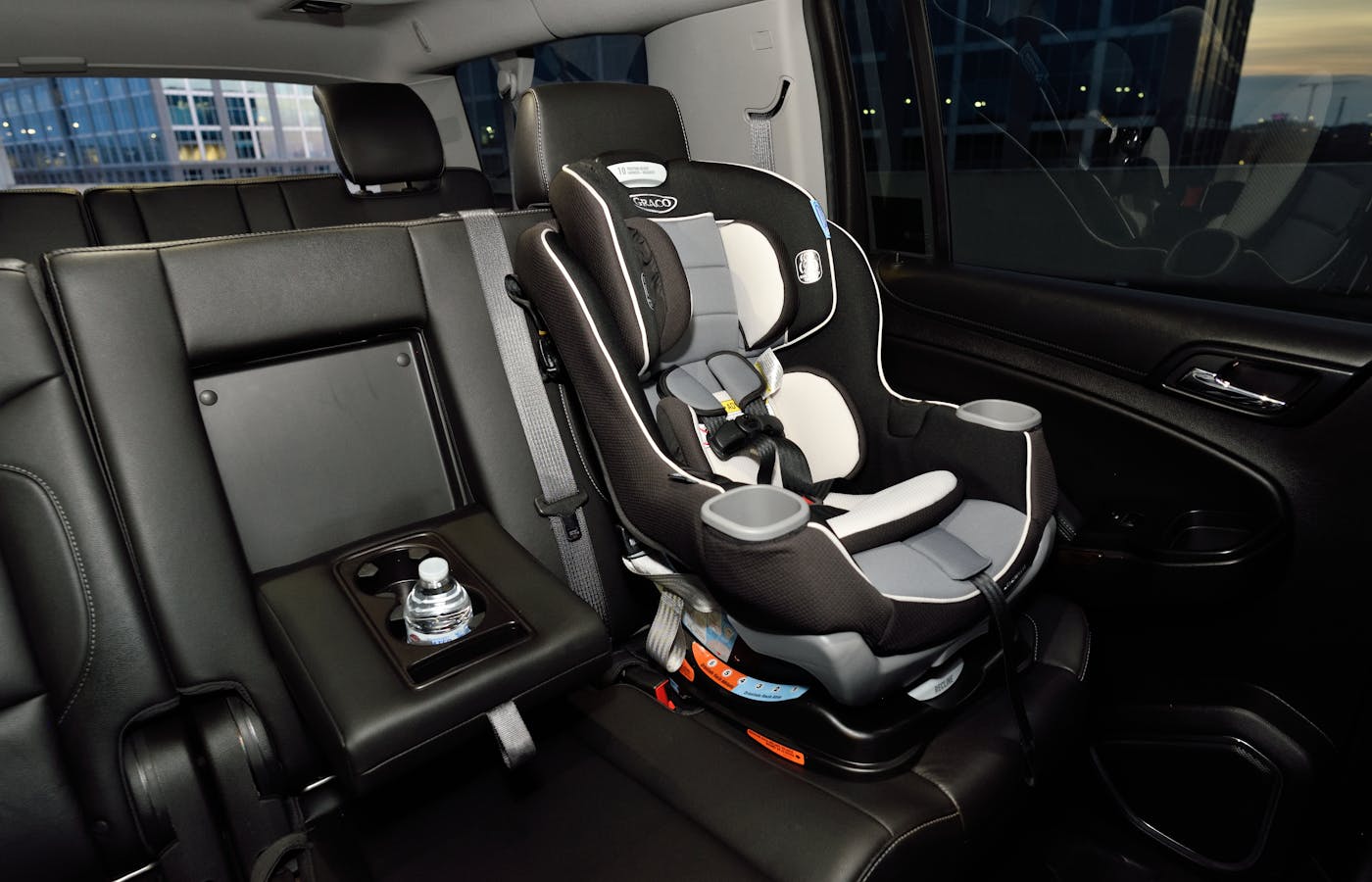
The back seat is generally the safer place for children, especially younger riders. It keeps them farther from front airbags and gives families more flexibility for installing car seats. The exact seating position depends on the vehicle, the car seat, and how many passengers are riding. A middle rear seat may be useful when it allows a secure installation, but not every vehicle or seat setup makes that practical.
Do not choose a position only because it looks convenient. Check whether the car seat can be tightened properly there, whether the harness can be adjusted easily, and whether the driver can still see well. If two or more car seats are installed, each one needs its own secure setup. One tight seat should not push another out of position.
| Passenger situation | Safety focus | Common check |
|---|---|---|
| Rear-facing child seat | Correct angle and tight installation | Seat moves less than about an inch at the belt path |
| Forward-facing harness seat | Harness and top tether use when required | Chest clip and snug straps are positioned correctly |
| Booster rider | Vehicle belt fit | Shoulder belt crosses chest and lap belt stays low |
| Older child or adult | Seat belt fit and posture | Passenger sits upright for the whole ride |
Comfort matters, but it should not override restraint fit. If a child complains about the belt, look for the cause instead of moving the belt behind the back or under the arm.

Check car seat installation before the trip
A car seat can look installed and still be too loose. The practical check is at the belt path, where the seat is secured to the vehicle. Hold the seat near that path and try to move it side to side and front to back. If it shifts too much, the belt or anchor strap may need to be tightened again. Do not test by pulling from the top of the seat, because that can make a secure seat seem loose.
Harness fit matters just as much. The straps should lie flat without twists. The chest clip should sit at armpit level. The harness should be snug enough that extra webbing cannot be pinched at the shoulder. Bulky coats can create false tightness, so use thinner layers in the seat and add a blanket over the harness when needed. That safety habit is easier to keep when heavy-rain driving safety gives the driver context before pressure.
- Check the car seat path where the belt or anchors hold it.
- Keep harness straps flat and untwisted.
- Use the tether when the forward-facing seat instructions call for it.
- Remove bulky layers that prevent a snug harness fit.
- Recheck installation after moving the seat to another vehicle.
Families who are unsure about installation can look for a trained child passenger safety technician in their area. A hands-on check can catch details that are easy to miss, especially with a new seat, a different vehicle, or a growing child.
Teach seat belt fit as a family habit
Seat belt safety becomes easier when everyone uses the same language. Children can learn that the shoulder belt belongs across the chest, the lap belt belongs low, and the belt should never be tucked under an arm or behind the back. Adults set the tone by buckling before driving and by fixing poor belt position without treating it as optional.
Booster readiness is not only about height. A child should be able to sit back against the vehicle seat, bend knees comfortably at the seat edge, keep the lap belt low, keep the shoulder belt centered, and stay that way for the full trip. If a child slouches, leans, or plays with the belt, the vehicle belt may not be ready to do its job alone. That safety habit is easier to keep when reduce blind spots before driving gives the driver context before pressure.
The best seat belt is the one that fits correctly and stays correctly positioned for the entire ride.
Adults should check their own belt fit too. Reclining too far, placing the shoulder belt behind the body, or wearing the lap belt high on the abdomen reduces protection. A quick glance around the vehicle before shifting into drive reinforces that every passenger is part of the same safety routine.
Avoid everyday shortcuts that weaken protection
Most family restraint mistakes are ordinary shortcuts. A short drive to school. A jacket left under the harness. A backpack between a child’s back and the seat. A twisted strap because everyone is late. A booster skipped because the child is tired of using it. These moments feel small, but the restraint only protects well when it is used correctly on ordinary days.
Keep the back seat organized so buckles are easy to reach. Loose toys, tablets, water bottles, and sports gear can become distractions and clutter around belts. If a child cannot buckle without help, build that time into the departure routine. Rushing tends to produce loose harnesses and missed checks.
- Do not route a shoulder belt under the arm or behind the back.
- Do not place thick coats under car seat harness straps.
- Do not let backpacks or blankets interfere with belt fit.
- Do not skip a booster because the trip is short.
- Do not reuse a car seat after a crash without checking replacement guidance.
Used car seats also need caution. Families should know the seat history, expiration date, labels, and whether all parts are present. If that history is unknown, a different seat is usually the safer choice.
Build a simple pre-drive family checklist
A short checklist keeps safety from depending on memory. It should happen before the vehicle moves and should be simple enough to repeat when everyone is tired. The goal is not to inspect every detail for ten minutes. The goal is to catch the common problems: wrong seating position, loose harness, twisted belt, poor booster fit, and loose objects around passengers.
- Confirm each child is in the correct restraint for their size and instructions.
- Check that each car seat is tight at the belt path.
- Make sure harness straps are flat, snug, and clipped at armpit level.
- Check booster and seat belt riders for shoulder and lap belt fit.
- Move loose bags, bottles, and hard objects away from seating areas.
- Ask every passenger to stay seated upright and buckled until the trip ends.
Repeat the checklist after car seats are moved, after cleaning the vehicle, before long trips, and whenever a child has grown noticeably. Growth changes how harnesses, boosters, and seat belts fit. A setup that was correct months ago may need adjustment now.
Car seat and seat belt safety basics for families come down to matching the restraint to the passenger, using the rear seat wisely, tightening the installation, checking belt fit, and refusing small shortcuts. Once those checks become part of leaving the driveway, family rides feel calmer and safer at the same time.