Car Safety Checklist Before Driving

Most safer trips begin with a minute that feels almost too ordinary to matter. You look around the vehicle, confirm the basics, and make sure nothing obvious is being ignored before the car moves.
That small habit matters because many problems are easiest to catch while the car is still parked. A low tire, a blocked mirror, a warning light, a loose item near the pedals, or a child seat that was shifted during the week can all become more stressful once traffic is moving.
The goal is not to become a mechanic in the driveway. The goal is to notice the simple things that affect control, visibility, and attention. I like this kind of checklist because it is practical: it gives the driver one calm minute before the road starts making decisions harder.
Start with a quick car safety walkaround
Begin outside the car before you unlock into autopilot mode. Walk around the vehicle once and look for anything that seems out of place. You are checking for obvious damage, flat or very low tires, leaking fluid, objects behind the car, open fuel doors, loose trim, blocked plates, or anything close enough to scrape when you pull away.
This is especially useful if the car was parked overnight, in a public lot, near construction, or under trees. You do not need to kneel on the ground every time. A normal standing look is enough for daily driving, as long as you actually slow down and see the car instead of glancing past it.
Pay attention to the ground too. A few drops of water from air conditioning can be normal, but a fresh puddle of oil, coolant-colored fluid, or fuel smell deserves caution. If something looks unsafe, treat that as information, not an inconvenience.
Check tires before driving away
Tires are easy to forget because they sit quietly until they do not. Before driving, look at all four tires for obvious sagging, sidewall damage, nails, bulges, or uneven wear. A tire can be low without looking completely flat, so a pressure gauge is still the better habit when something seems off.
For everyday driving, the visual check is about catching the big warnings. If one tire looks softer than the others, if the steering felt strange on the last trip, or if the temperature changed sharply overnight, check pressure before leaving. Guessing is not a good safety method when the tire is the part touching the road.
Also look at the tread. You do not need to measure it daily, but bald edges, exposed cords, or deep cracks are not details to save for later. A safe car starts with tires that can steer, brake, and handle wet pavement with some margin.
- Look for one tire sitting lower than the others.
- Check for visible nails, cuts, bubbles, or cracked sidewalls.
- Notice uneven tread wear across the front and rear tires.
- Use a tire pressure gauge when a tire looks suspicious.
- Do not start a trip on a tire that already looks unsafe.
Confirm car lights, glass, and mirrors
Visibility is part of safety in both directions: you need to see clearly, and other drivers need to see you. Before driving, make sure the windshield, rear glass, side windows, and mirrors are not blocked by fog, ice, dust, stickers, bags, or cargo. If the glass is dirty enough to scatter light, clean it before the trip.
Turn on the lights when conditions call for them, not only when the road is fully dark. Rain, shade, fog, and low sun can make a car harder to notice. If you are leaving a garage or parking area, a quick reflection in a wall or window can help confirm that headlights or brake lights are working.
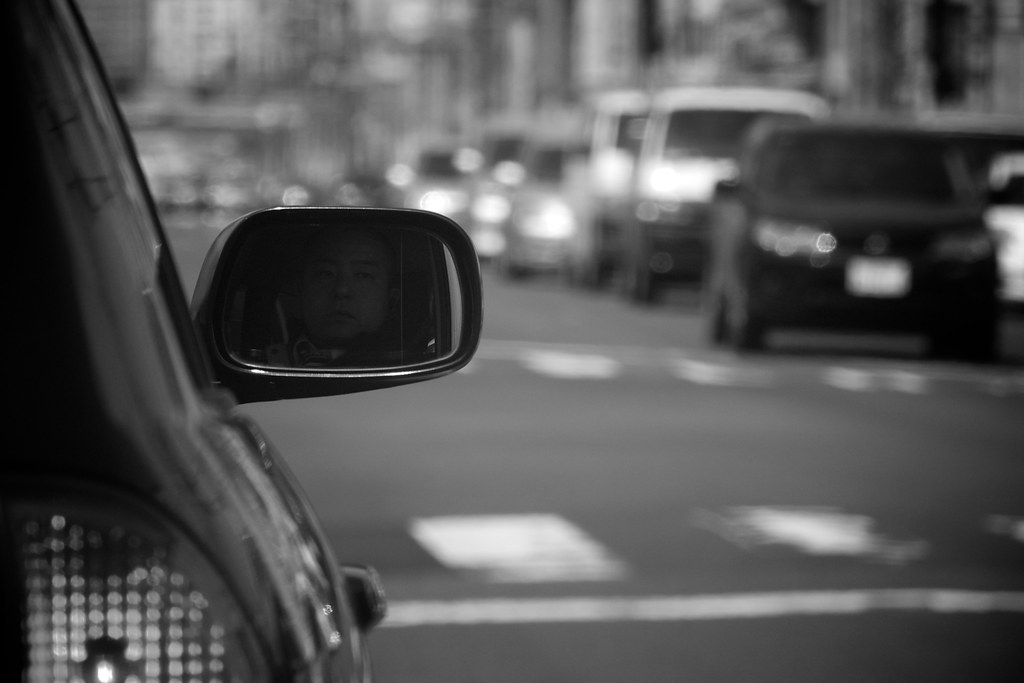
Set mirrors before moving. Adjusting them after the car is already rolling pulls attention away from the road. The same applies to the seat position. If someone else drove the car, reset the basics while parked.
A safer drive often begins before the engine has any chance to hide a small problem with motion and noise.
Listen to dashboard warnings before driving
When the car starts, give the dashboard a moment. Some warning lights appear briefly during startup and then turn off; that can be normal. What matters is a warning light that stays on, flashes, or appears with a new sound, smell, or driving symptom.
Do not treat every dashboard light the same way. A low washer fluid reminder is different from an oil pressure warning, brake warning, overheating warning, or flashing check engine light. If the warning suggests loss of braking, oil pressure, charging, cooling, or tire pressure, pause before driving away.
Listen as well as look. New grinding, squealing, knocking, hissing, or a strong fuel smell should change the plan. A checklist is useful because it gives you permission to stop and think before the situation becomes a roadside decision.
If the dashboard is asking for attention, the safest answer is not always to keep driving and hope it was mistaken.
Secure people, pets, and cargo for car safety
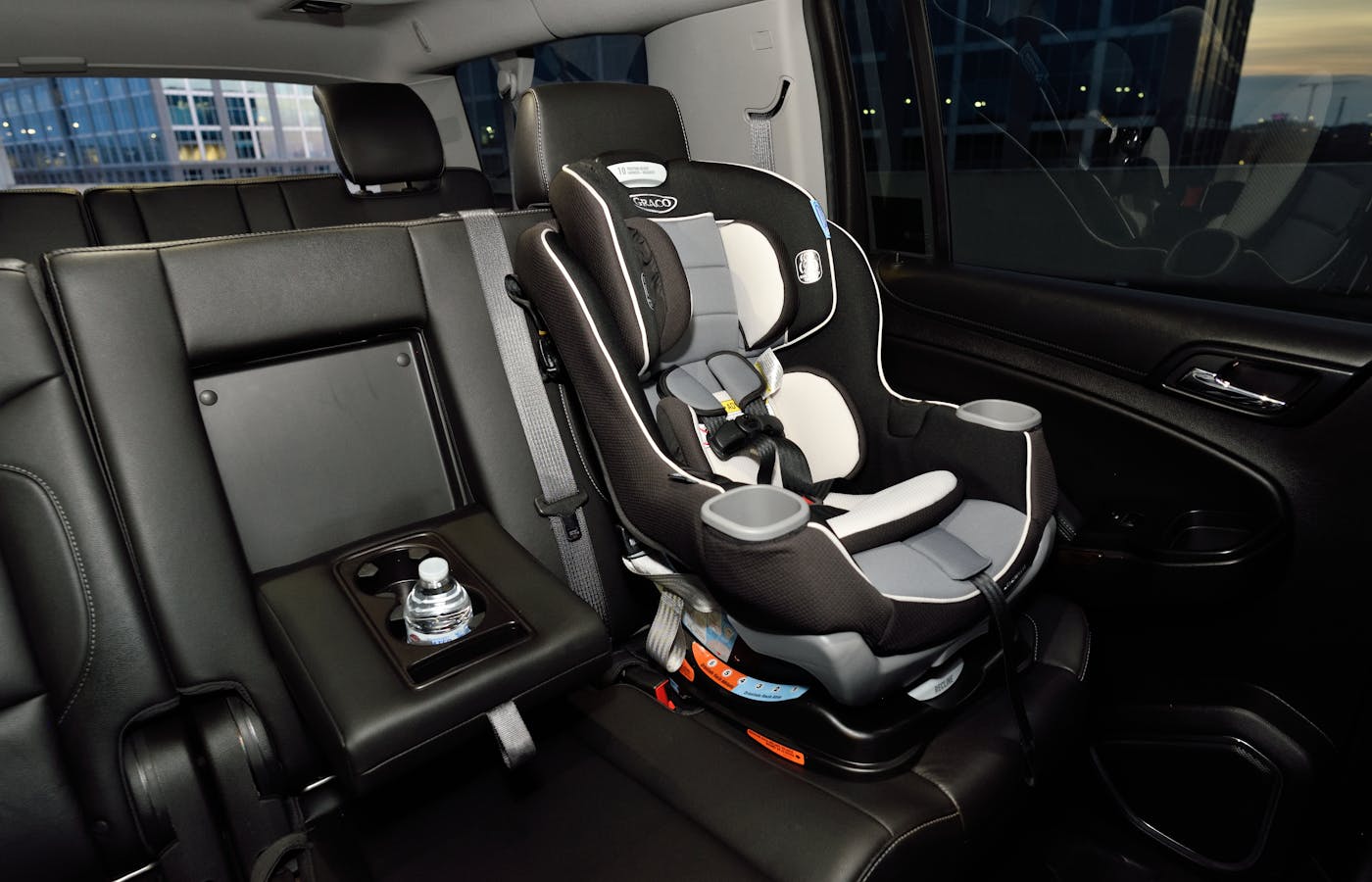
Inside the car, check the things that can move. Seat belts should be fastened correctly, child seats should be locked in place, pets should be secured, and bags should not sit where they can slide under the pedals. A water bottle near the driver’s feet is a small object until it rolls beneath the brake pedal.
Loose cargo can also block mirrors or become distracting during a hard stop. Put heavier items low and stable. If you are carrying groceries, tools, sports gear, or luggage, make sure nothing will tip, spill, or shift into the driver’s space. The cabin should help you focus, not ask for attention every time the road turns.
This is also the moment to set navigation, music, climate, and phone placement. A driver who starts the trip already reaching, tapping, and rearranging is beginning with divided attention. Keep the first minute boring on purpose.

Make a clear drive or wait decision
The final part of a car safety checklist before driving is deciding whether the car and driver are ready. If the issue is small and easy, fix it before leaving. Clear the glass, move the bag, fasten the belt, adjust the mirror, top up fuel if needed, or check tire pressure. Small corrections are cheaper while parked.
If the issue could affect braking, steering, tires, engine cooling, oil pressure, or driver focus, waiting is the safer choice. That may mean calling for help, using another vehicle, delaying the trip, or getting the car inspected. The checklist only works if it is allowed to change the plan.
Use this simple sequence:
- Walk around the car and check the area around it.
- Look at tires, lights, glass, mirrors, and visible leaks.
- Start the car and watch for warning lights that stay on.
- Secure passengers, pets, cargo, and loose items.
- Set mirrors, seat, navigation, and phone while parked.
- Drive only if the car and driver are ready.
A good pre-drive check is not dramatic. It is a short safety filter that catches problems before they travel with you. Run it calmly, trust what you notice, and let the car earn the trip before you pull into traffic.
With practice, this stops feeling like an extra chore. It becomes the same kind of automatic pause as checking your pockets before leaving home: quick, quiet, and useful because it happens before the problem has momentum.