How to Check Lights and Wipers Before Driving in Fog
Fog changes a familiar road very quickly. Landmarks disappear, headlights scatter, distance becomes harder to judge, and other drivers may react late. The most dangerous part is that a road can still feel normal until visibility drops enough that there is very little time to respond.
Learning how to prepare for driving in fog is about making decisions before the view gets worse. A safer fog drive starts with clean glass, correct lights, slower speed, longer distance, and a willingness to delay or stop if the road no longer gives you enough information.
Check whether the trip can wait
The safest fog decision may happen before the car leaves the driveway. If the trip is optional, waiting can be better than trying to push through low visibility. Fog often changes by time of day, elevation, water, fields, and temperature. A short delay can sometimes turn a difficult drive into an ordinary one.
Think about the type of trip. A local errand with flexible timing is different from a work commute, medical appointment, school pickup, or long highway drive. If you must go, choose the route with simpler roads, lower speeds, better lighting, and fewer surprise turns. A slightly longer route can be safer than a faster road with heavy traffic and poor shoulders.
Before leaving, check weather updates and local traffic reports if available. Look for fog advisories, crashes, closed roads, or reports of sudden visibility drops. This is not about overplanning; it is about knowing whether the road is likely to demand more caution than usual.
If the warning sounds worse than the trip deserves, give yourself permission to wait. A familiar route can become unfamiliar when fog hides signs, curves, lane edges, and stopped traffic.
In fog, the first safety choice is whether the drive needs to happen right now.
Clean the windshield, mirrors, and lights before driving
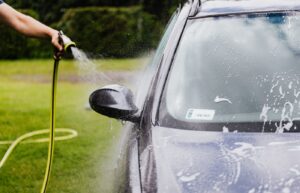
Fog already reduces visibility, so dirty glass makes the problem worse. Film on the inside of the windshield can scatter light and create glare. Water spots, dust, fingerprints, and old wiper streaks can turn oncoming headlights into blurry patches. Clean glass gives your eyes a better chance to read the road.
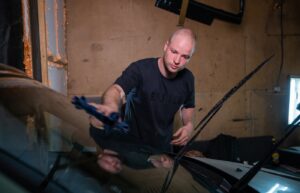
Check the windshield inside and outside. Make sure wipers are not cracked or skipping. Fill washer fluid if it is low. Wipe side mirrors and backup camera lenses if your car has them. Foggy drives often require more frequent mirror checks, so those mirrors need to be useful before you start.
Headlights, taillights, brake lights, and turn signals matter too. Other drivers need to see you as much as you need to see the road. A layer of dirt on headlights can reduce useful light, and a burned-out taillight can make your car harder to judge from behind. Walk around the vehicle if you have time.
Small prep steps include:
- Clean the inside windshield where glare usually appears.
- Check wipers and washer fluid before the route begins.
- Wipe side mirrors and rear glass.
- Make sure headlights and taillights are working.
- Remove items from the dashboard that reflect in the glass.
Use low beams and fog lights instead of high beams
High beams usually make fog harder to see through because the light reflects back toward the driver. Low beams aim lower and reduce glare. If your vehicle has fog lights, they can help illuminate the road close to the ground, but they are not a reason to drive at normal speed. Better lighting does not restore full visibility.
Turn on headlights even during the day if fog is present. Automatic lights may not always activate in bright fog because the sky can still seem light to the sensor. Manually choosing the right lights removes that uncertainty. Also avoid relying only on daytime running lights, because they may not turn on the taillights.
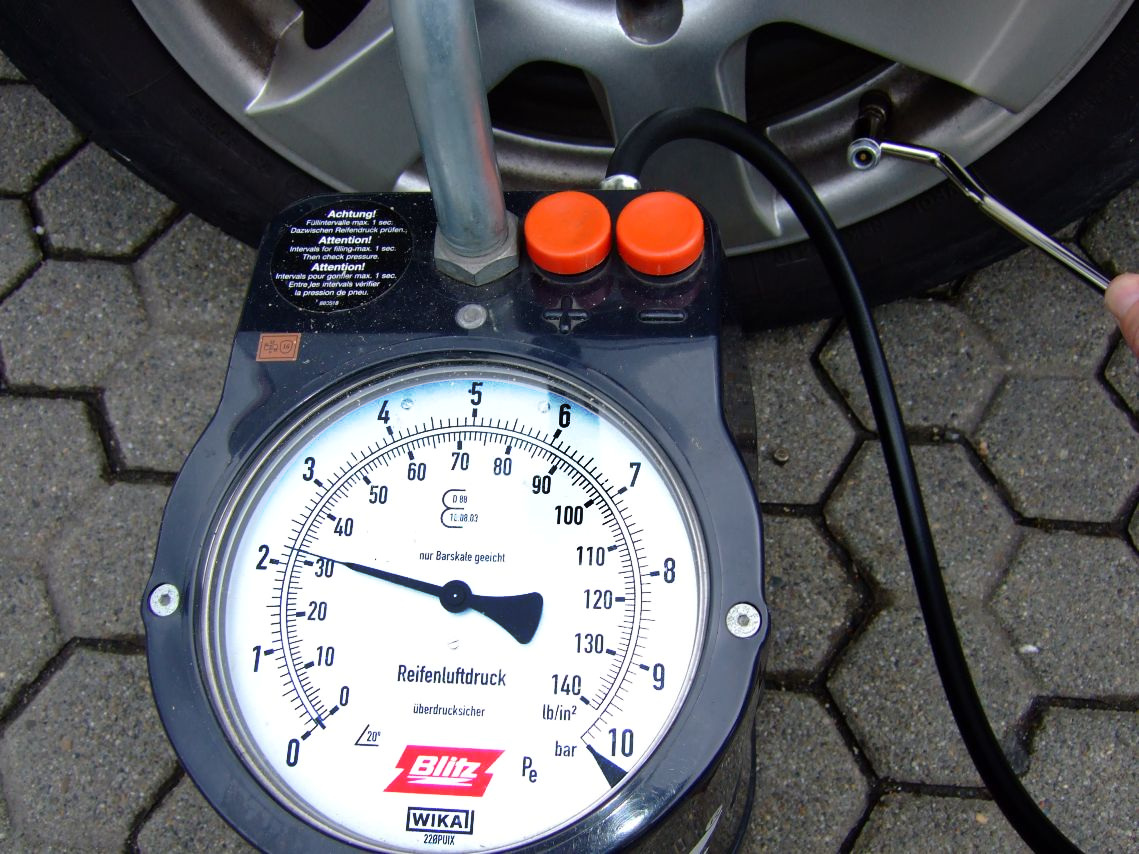
Know your vehicle’s controls before fog happens. Look at the symbols for low beams, high beams, rear fog lights if equipped, and hazard lights. Searching for controls while visibility is poor adds distraction at the wrong moment. That safety habit is easier to keep when checking tire pressure gives the driver context before pressure.
Set the lights while parked, not while guessing through fog.
| Light choice | Use in fog? | Reason |
|---|---|---|
| Low beams | Yes | Help visibility with less reflected glare |
| High beams | No | Can reflect off fog and reduce visibility |
| Fog lights | If equipped | Help low, close road visibility |
Reduce speed before visibility forces you to brake
Speed should match what you can actually see. If you cannot stop within the visible road ahead, you are driving too fast for the conditions. Fog makes this difficult because the road may feel empty until another vehicle, curve, animal, debris, or stopped traffic appears suddenly.
Slow down smoothly rather than making sudden braking moves. Drivers behind you may also be struggling to judge distance, so abrupt braking can create a rear-end risk. Ease off the accelerator, use gentle braking when needed, and keep your movements predictable. That driving decision is easier to judge with brake warning-light guidance because the driver needs context before deciding whether to keep going.
Do not let other drivers set your speed. Someone may pass, follow too closely, or act impatient. That does not mean they can see better than you can. Keep your car at a speed that fits your visibility, lane position, and stopping distance.
If traffic is moving faster than feels safe, stay in the right lane where appropriate and avoid unnecessary lane changes. The goal is not to prove confidence; it is to keep enough time to react.
Use the speedometer as a reality check. Fog can make speed feel slower than it is, especially on open roads with fewer visible reference points.
Increase following distance and avoid sudden lane changes
Fog compresses reaction time. You may see brake lights later, road curves later, and stopped vehicles later. More following distance gives you a buffer. The usual spacing you use in clear weather may not be enough when visibility is limited and pavement may be damp.
Watch for clues from the vehicle ahead, but do not stare only at its taillights. Following lights too closely can pull you into matching another driver’s mistakes. Keep scanning lane markings, road edges, signs, and the movement of traffic farther ahead when possible.
Avoid sudden lane changes because other drivers may not see you quickly. Signal early, check mirrors carefully, and move only when necessary. If you miss an exit or turn, continue to a safer place rather than making a last-second move through fog.
When another vehicle follows too closely, create space ahead rather than speeding up. More room in front gives you options if traffic slows suddenly.
Helpful fog-driving habits include:
- Leave more space than usual behind the vehicle ahead.
- Use turn signals earlier than you would in clear weather.
- Keep both hands ready for gentle steering corrections.
- Avoid cruise control when visibility and traction are uncertain.
- Let impatient drivers pass instead of matching their pace.
Plan where you will stop if visibility gets worse
A fog drive needs an exit plan. Visibility can drop suddenly in low areas, near water, in valleys, or after temperature changes. If the road becomes too hard to read, continuing may be more dangerous than stopping. The key is to stop in a place where your vehicle is not sitting in the travel lane.
Look for a parking lot, rest area, gas station, wide shoulder, or safe turnout. If you must use a shoulder, pull as far away from traffic as possible. Keep your seat belt on, be careful opening doors, and consider whether staying in the vehicle is safer than standing near traffic.
Hazard lights can help when your vehicle is stopped or moving much slower than traffic, but they are not a magic shield. In some places, rules about hazard light use while moving vary. Use judgment and local law. More importantly, get out of the traffic path if the drive is no longer safe.
Do not stop in the lane unless traffic itself has stopped and there is no safe alternative. A car stopped in a foggy lane can be nearly invisible until another driver is too close.
Run a short fog checklist before pulling away
A short checklist helps because fog can make people tense and rushed. It also keeps the preparation consistent if several people use the same car. You do not need a long inspection; you need the few steps that matter most for visibility, control, and decision-making.
Use this quick routine:
- Decide whether the trip can wait or whether a simpler route is better.
- Clean the windshield, mirrors, lights, and camera lenses.
- Turn on low beams and fog lights if the vehicle has them.
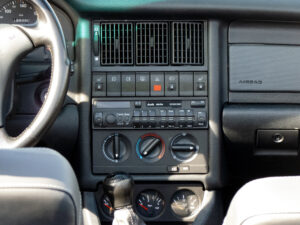
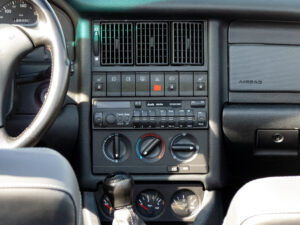
- Set defroster or climate controls so glass stays clear.
- Put the phone away and set navigation before moving.
- Plan a safe stopping option if visibility gets worse.
Once moving, keep the routine simple: slow down early, leave more space, avoid high beams, signal clearly, and stop safely if the road disappears. Fog driving is not about bravery. It is about giving yourself enough time and visibility to make calm decisions.
Preparing for fog is really preparing for uncertainty. Clean the car’s visibility points, use the correct lights, reduce speed, increase space, avoid sudden moves, and know where you will stop if the view closes in. Those choices make a foggy drive more controlled from the first mile.