New Driver Car Care Checklist
New drivers often learn traffic rules before they learn the small habits that keep a car dependable. That gap can make every sound, warning light, low tire, or fluid question feel bigger than it needs to be. A car does not need constant attention, but it does need regular attention.
A practical new driver car care checklist helps you know what to look at, what to track, when to ask for help, and which changes should not be ignored. Most beginner car care is observation plus timing.
I think the best checklist is the one a driver can actually repeat. If it takes two hours, it will be skipped. If it takes ten calm minutes once a month and a few seconds before longer drives, it has a chance of becoming normal.
Check tire pressure before tire problems feel dramatic
Tires affect braking, steering, fuel use, ride comfort, and safety. New drivers sometimes notice tires only when one looks flat, but pressure can be low before the tire looks obvious. A tire pressure gauge is inexpensive, and learning the correct pressure for your car is one of the easiest maintenance wins.
Use the tire pressure number on the driver’s door jamb or owner manual, not the maximum number printed on the tire sidewall. Check pressure when tires are cold if possible, because driving warms the tires and can change the reading. If one tire keeps losing air, treat it as a clue instead of simply filling it again forever.
Tread matters too. Look for uneven wear, cracks, bulges, objects stuck in the rubber, or one tire that looks different from the others. These are not cosmetic details. They can point to alignment, inflation, suspension, or damage issues.
Make tire checks part of fuel stops or the first weekend of each month. The habit is small, but it catches problems early enough that you have choices. Keep the gauge in the glove box or center console so checking pressure does not depend on finding one at a gas station.
Learn the basic fluids without guessing blindly
Fluids keep the car cooling, braking, steering, cleaning the windshield, and lubricating the engine. New drivers do not need to memorize every system on day one, but they should know which fluid levels can be checked safely and which ones should be left to a technician.
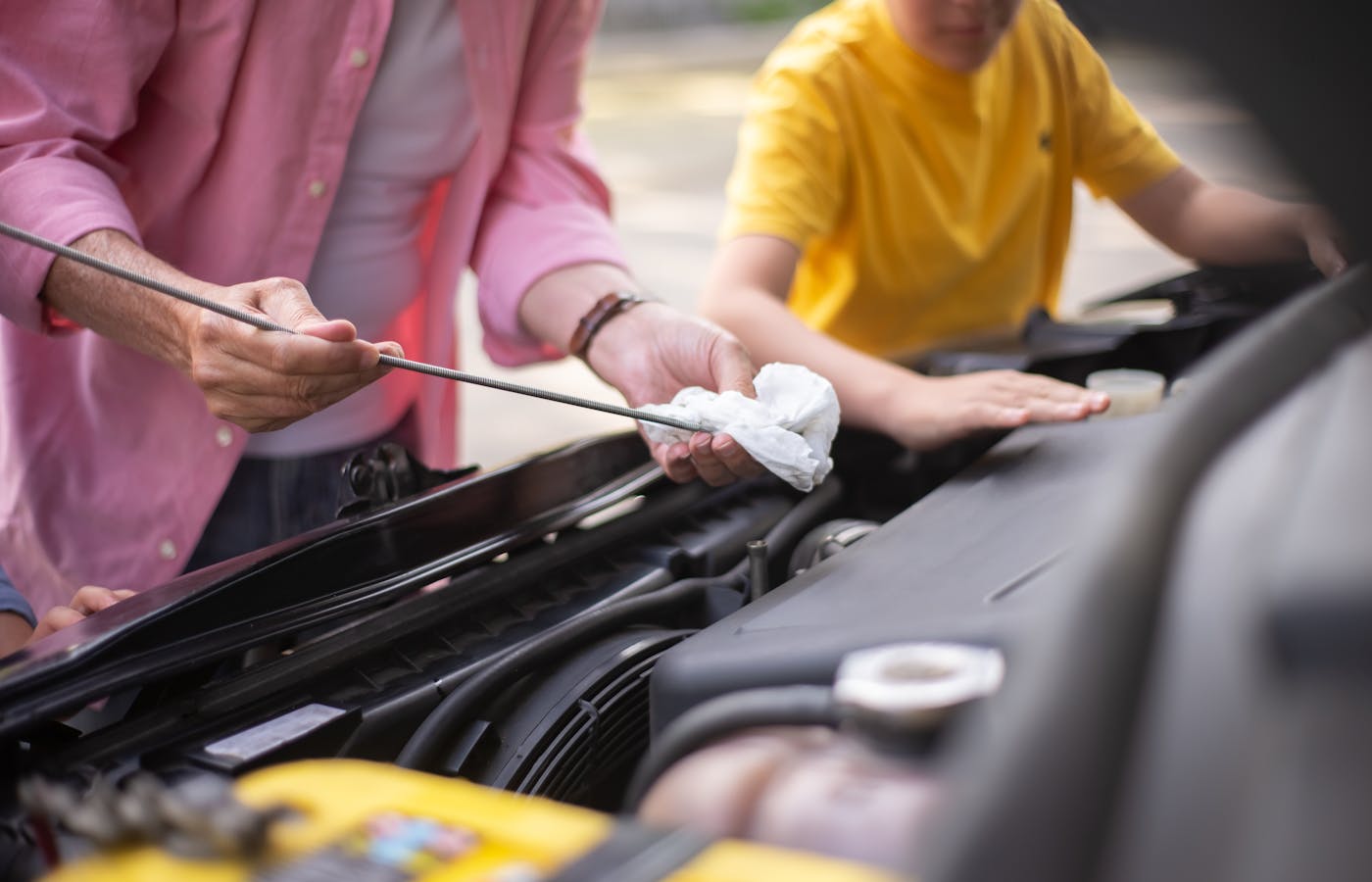
Engine oil is the big one for many cars. Some cars use a dipstick, while others use an electronic reading. Follow the owner manual for the correct method and oil type. If your car has a dipstick, park on level ground, let the engine sit as instructed, wipe the dipstick, reinsert it, then read the level. Do not overfill.
Washer fluid is usually safe and simple to refill, and it matters more than beginners expect. Poor visibility in rain, bugs, dust, or winter grime can turn a normal drive stressful. Coolant, brake fluid, transmission fluid, and power steering fluid require more caution because low levels may mean leaks or service needs.
A low fluid level is information, not just an invitation to pour something in. If the level drops again after topping up, find out why.
Walk around the car and test the lights regularly
A quick walkaround helps new drivers catch things they might miss from the seat. Look at headlights, brake lights, turn signals, reverse lights, hazard lights, license plate lights, and visible body damage. A burned-out bulb may seem minor until another driver cannot read your intentions.
Testing lights is easier with a second person, but it can be done alone using reflections in a garage door, storefront window, or wall. Turn on each light, step out when safe, and confirm both sides are working. Brake lights may need a helper or a safe reflection check.
Also look at wiper blades, mirrors, windshield cracks, loose trim, and anything hanging below the vehicle. These quick checks teach you what normal looks like. Once you know normal, new damage is easier to notice.
Do the walkaround before longer drives and after parking somewhere crowded. Small parking-lot damage, a low tire, or a dead brake light is easier to handle before you are already late. That safety habit is easier to keep when reading a tire sidewall gives the driver context before pressure.
Useful walkaround checks include:
- Tires that look low, damaged, or unevenly worn.
- Lights that are dim, broken, or not working.
- Fluid spots under the parked car.
- Wiper blades that streak or chatter.
- Loose panels, hanging shields, or fresh scrapes.
Pay attention to brakes, steering, and dashboard warnings
Brakes and steering tell you a lot about the car. A new driver may not know every technical term, but they can notice changes. A brake pedal that feels soft, a steering wheel that pulls, a vibration at speed, a grinding noise, or a warning light should not be brushed aside as normal.
Dashboard warnings deserve calm attention. Some lights mean schedule service soon; others mean stop driving as soon as it is safe. Red warnings, flashing lights, overheating, oil pressure warnings, and brake warnings are more urgent than a reminder light. The owner manual can help you understand the symbol, but do not keep driving if the car feels unsafe.
Noises matter when they change. A squeak after rain may be less concerning than grinding every time you brake, but the pattern is what matters. Write down when it happens: cold start, braking, turning, highway speed, bumps, or idling. That detail helps a mechanic diagnose faster.
The beginner goal is to notice when the car stops behaving like itself. If the change affects braking, steering, visibility, heat, smoke, or warning lights, treat it as a safety question first and a maintenance question second.
Keep documents, records, and small supplies organized
Car care is easier when the paperwork and basic supplies are not scattered. Keep registration, insurance information, roadside assistance details, service records, and inspection papers where they can be found quickly. If you use digital documents, make sure you know how to access them when cell service is poor. That safety habit is easier to keep when reading the owner manual gives the driver context before pressure.
Service records help you avoid guessing. Oil changes, tire rotations, brake work, battery replacement, new tires, filters, and inspections all create a timeline. Without records, a new driver may repeat service too early or delay something that is overdue.
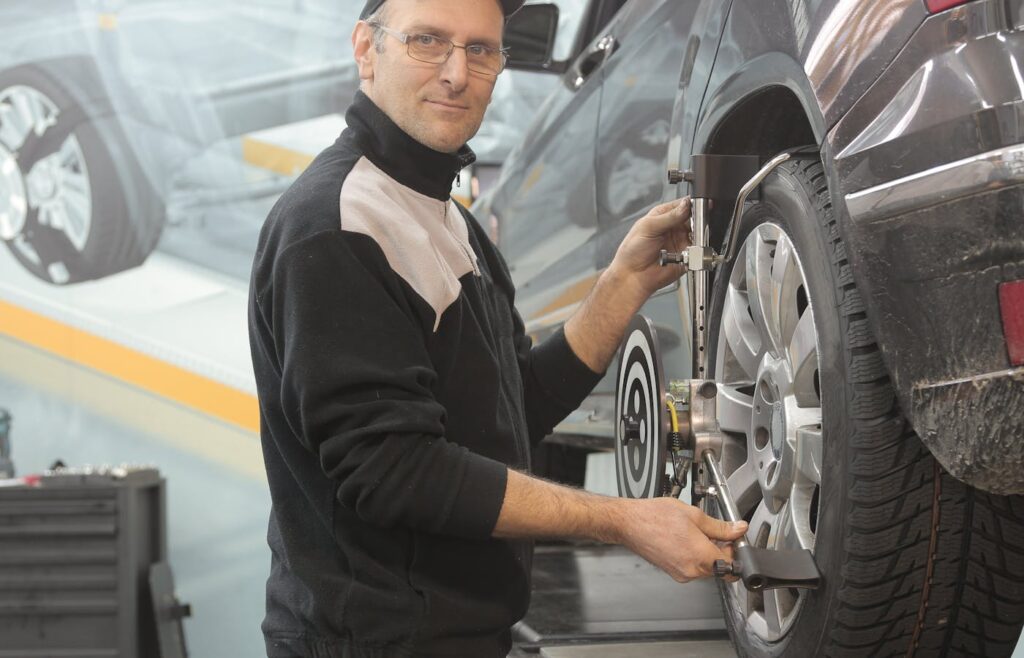
Basic car supplies do not need to take over the trunk. Start with a phone charger, tire pressure gauge, flashlight, napkins or wipes, small trash bag, water, and any seasonal items your climate requires. Add roadside items based on where and how you drive.
Organization matters because stress makes people forget. When something goes wrong, the best supply is the one you can find without unloading the whole car. Keep the same pocket, pouch, or small bin for car items so another driver or family member can find them too. If you share the car, tell the other driver where the records and emergency numbers live.
Build one monthly car care routine
A monthly routine keeps the checklist from turning into random worry. Pick a repeatable day, such as the first Saturday of the month or the weekend after paying bills. The routine should be short enough that you actually do it.
Use this monthly order:
- Check tire pressure and look for visible tire damage.
- Look under the parked car for new fluid spots.
- Check oil according to the owner manual.
- Refill washer fluid if needed.
- Test lights, signals, horn, and wipers.
- Review warning lights, unusual sounds, or recent changes.
- Write down mileage and any service that may be due soon.
This routine does not replace scheduled maintenance. It supports it. If you notice something unusual, book service or ask someone qualified before the issue becomes part of daily driving.
Keep the routine attached to something you already do. Check the car after washing it, before a grocery trip, or when you fill the tank. A checklist works better when it has a natural place in the month. The goal is to make the car familiar enough that changes stand out quickly.
Know when beginner checks are not enough
Some car issues are not beginner checklist items. If the car overheats, loses braking power, leaks heavily, smells like fuel, smokes, pulls hard while braking, shows a red oil or brake warning, or makes severe grinding noises, stop treating it like a simple check. Get help.
There is no prize for diagnosing a serious problem alone. A good new driver knows the boundary between a monthly habit and a safety concern. The checklist helps you notice the problem earlier, but a mechanic, roadside service, or trusted experienced driver may need to take over.
Escalate quickly for:
- Red warning lights or flashing dashboard warnings.
- Brake pedal changes, grinding, or reduced stopping power.
- Overheating, steam, smoke, or burning smells.
- Fluid leaks that return after parking.
- Tire bulges, exposed cords, or repeated pressure loss.
A new driver car care checklist works because it turns mystery into routine. Check tires, fluids, lights, brakes, records, and warning signs on a schedule. You will not catch everything, but you will catch more than you would by waiting for the car to demand attention.
That confidence matters. The more often you see the car in normal condition, the faster you notice when something changes.