Battery Light on Dashboard: What It Means
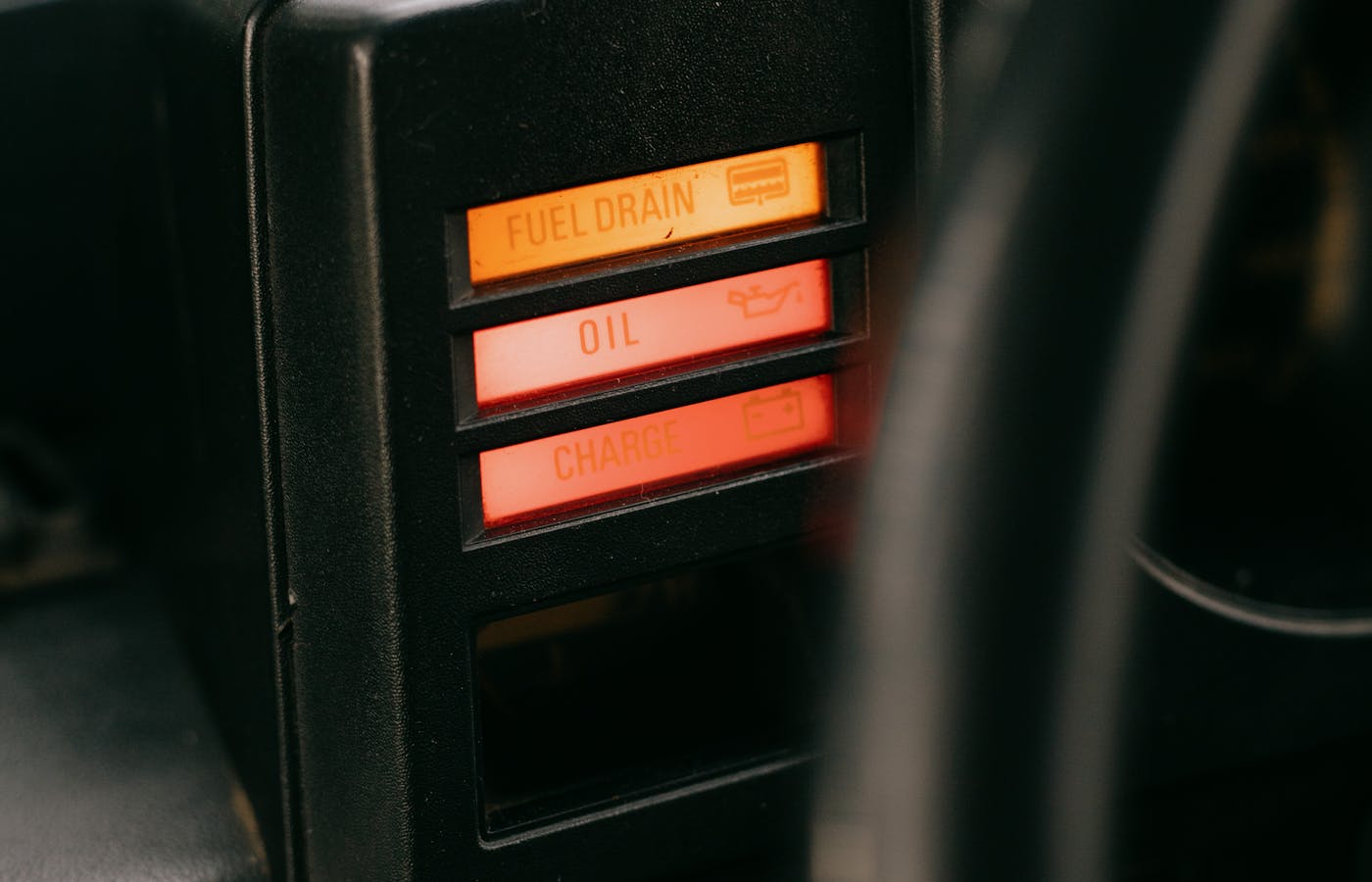
A battery light on the dashboard can be confusing because it does not always mean the battery itself is the only problem. It often means the car is running on limited electrical power because the charging system is not doing its job. That can turn a small warning into a stranded-car situation if it is ignored.
The battery light on dashboard meaning is usually tied to the battery, alternator, belt, wiring, or charging connection. The car may still drive for a while, but the clock is not on your side. Once the battery charge drops far enough, the engine can stall or the car may not restart.
The safest mindset is simple: treat the battery light as a charging-system warning, not as a reminder to buy a battery someday. Your first job is to reduce risk and decide whether the car should keep moving.
Understand what the battery light means
The battery light usually turns on when the car detects that voltage is not staying where it should be. In normal driving, the alternator helps power the car and recharge the battery. If that system stops working correctly, the battery begins carrying more of the electrical load than it is meant to carry for long.
That is why the light can appear even if the battery was fine yesterday. A weak alternator, loose belt, damaged cable, corroded terminal, or failing voltage regulator can all cause the warning. The battery may be part of the story, but it is not the only possible suspect.
When the light appears briefly at startup and then disappears, that can be normal on many cars. When it stays on while the engine is running, comes on while driving, or appears with other electrical symptoms, it deserves attention right away.
Notice what changed when the dashboard light appeared
The moment the battery light appears, pay attention to what else changed. Dim headlights, slow power windows, flickering interior lights, weak blower fan speed, warning messages, hard steering on some vehicles, or a burning rubber smell can help you understand how urgent the situation feels.
If the car is driving normally and you are close to a safe stopping place, avoid panic and head there calmly. If multiple warning lights appear, steering feels different, the engine stumbles, or headlights fade at night, treat it as more urgent. Electrical problems can progress quickly once the battery is no longer being charged.
- Look for dimming lights or flickering displays.
- Listen for belt squeal from the engine area.
- Notice whether accessories are acting weak or slow.
- Check whether the light appeared after rain, a jump start, or recent repair work.
- Plan a safe place to stop before the car loses power.

Reduce electrical load before you keep driving
If the battery light is on and you need to move the car a short distance to safety, reduce electrical demand. Turn off heated seats, rear defroster, extra chargers, bright cabin lights, and unnecessary accessories. Keep headlights on when safety requires them, especially at night or in bad weather.
This does not fix the problem. It only helps the remaining battery charge last a little longer while you reach a safer place. Think of it as buying time, not solving the warning. The car may still shut down if the charging system is not working.
Avoid stopping somewhere dangerous just because you want to inspect the battery immediately. A parking lot, service station, driveway, or wide safe shoulder is better than opening the hood beside fast traffic.
A battery warning light is not a race home; it is a reason to choose the safest next stop.
Check the battery terminals only when the car is safely parked
Once parked safely, you can look for simple visible issues. Do not touch moving engine parts, belts, fans, or hot components. If you are not comfortable under the hood, it is fine to stop at a visual check and call for help.
Look at the battery terminals. Heavy white or greenish corrosion, a loose clamp, a cable that moves easily, or a damaged-looking wire can interrupt charging. If the terminals are loose or corroded, that may be part of the problem, but it still needs to be handled carefully.
Also look for obvious signs near the belt area if it is visible. A broken or loose serpentine belt can affect the alternator and other systems. If you see a belt hanging loose, smell burning rubber, or hear squealing, avoid driving farther unless a professional tells you it is safe.
Know when not to keep driving with the battery light
Sometimes the right answer is to stop driving and get help. If the battery light is on with overheating, power steering loss, smoke, burning smell, multiple warning lights, or rapidly dimming headlights, continuing can be unsafe. The car may lose power without much warning.
Night driving makes the decision more serious because headlights use electrical power and visibility depends on them. Heavy rain, busy roads, long bridges, tunnels, and highways also reduce your margin for error. A car that might limp a few blocks in daylight may not be safe for a long trip at night.
The warning is more urgent when the next safe stop is far away. Distance matters because the remaining battery charge is limited and unpredictable once charging has stopped.
Use a cautious rule: if the car feels different, smells different, shows several warnings, or would leave you stranded in a risky place if it died, stop somewhere safe and call for roadside help.
Ask for a charging system test, not just a battery swap
A common mistake is replacing the battery without checking the rest of the charging system. A new battery can go dead again if the alternator, belt, cable, or charging circuit is the real issue. That is why a proper test matters.
Ask a mechanic or parts-store tester to check battery condition, alternator output, charging voltage, and visible cable condition. The exact test depends on the vehicle, but the goal is the same: find out whether the battery is weak, the alternator is not charging, or a connection is interrupting the system.
If your car recently needed a jump start, mention that. If the battery was replaced recently, mention that too. Recent work, aftermarket electronics, and repeated dead-battery mornings can all give useful clues.
Follow a simple response routine for the battery light
When the battery light comes on, a calm sequence helps more than guessing. The order matters because safety comes before diagnosis. Do not start by opening the hood in an unsafe place, and do not assume the car will run normally for the rest of the day.
Use this basic response:
- Stay calm and check whether the car still drives normally.
- Turn off unnecessary electrical accessories.
- Choose the nearest safe place to stop.
- Look for obvious symptoms like dim lights, belt noise, or burning smell.
- Do a visual battery and belt check only when safely parked.
- Arrange a charging-system test before relying on the car again.
This routine keeps the decision practical. It does not require you to become a mechanic on the roadside. It simply helps you avoid the two worst mistakes: ignoring the light or stopping somewhere unsafe.
Prevent battery light surprises with simple habits
You cannot prevent every charging-system failure, but a few habits reduce surprises. Have the battery tested if it is several years old, if starts are getting slower, or if the car has been sitting for long periods. Ask for the charging system to be checked during routine service if you have seen flickering lights or repeated battery trouble.
Keep battery terminals clean and secure, but do not force connections if you are unsure what you are doing. Pay attention after jump starts, battery replacements, alternator repairs, or belt work. A warning light soon after service deserves a follow-up, not a wait-and-see approach.
- Test an older battery before extreme heat or cold.
- Do not ignore repeated slow starts.
- Check for corrosion during basic maintenance.
- Ask about belt condition during service visits.
- Take flickering lights seriously before the battery light appears.
The battery light on the dashboard is a warning that the car’s electrical system may not be charging correctly. The car might keep running for a short time, but that does not make the warning harmless. Reduce electrical load, stop somewhere safe, check only what you can see safely, and get the charging system tested before trusting the car again.