Check Engine Light: What Should You Do First?
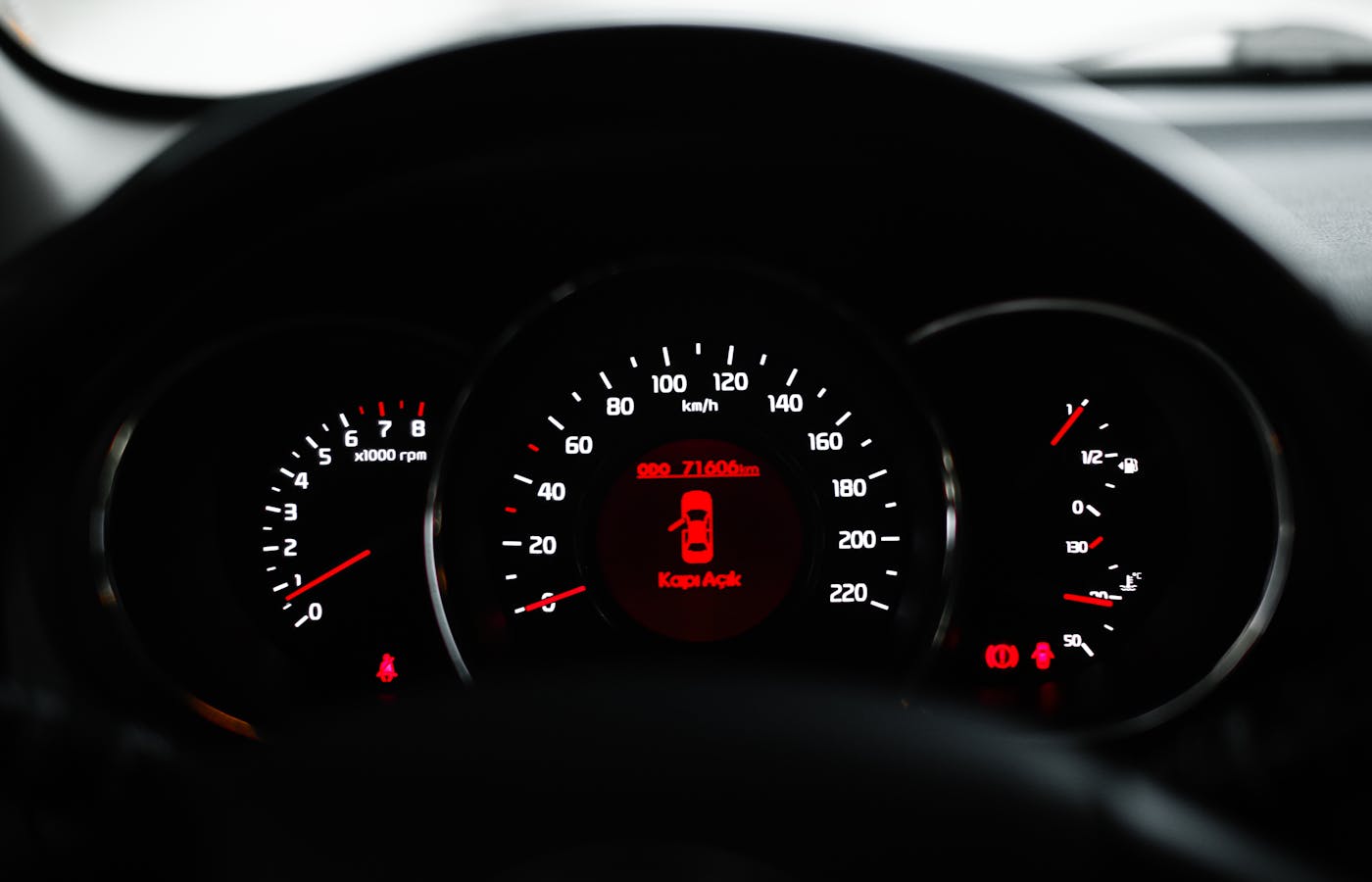
A check engine light can turn a normal drive into a guessing game. Sometimes the car feels completely normal. Other times there is shaking, a strange smell, poor acceleration, or a flashing light that makes the situation feel urgent. The first step is not panic. The first step is sorting out whether the car is safe to keep driving.
Knowing check engine light what to do first helps because the light can point to many different problems. It may be something simple, like a loose fuel cap, or something that needs a mechanic soon. The dashboard cannot explain the repair by itself, but it can tell you to pay attention.
The safest response is to read the situation before deciding to keep driving. A steady light and a flashing light should not be treated the same way.
Check whether the engine light is steady or flashing
Look at the light before doing anything else. A steady check engine light usually means the car has detected a problem and needs diagnosis, but it may still be safe to drive a short distance if the car feels normal. A flashing check engine light is more serious and can mean the engine is misfiring in a way that may damage expensive parts.
If the light is flashing, slow down gently, avoid hard acceleration, and look for a safe place to pull over. Do not keep driving at highway speed while hoping it settles. If the car is shaking, losing power, or smelling like fuel or burning, treat the situation as urgent.
If the light is steady, stay calm and move through the next checks. The goal is to avoid ignoring a real problem while also avoiding unsafe roadside decisions.
Notice how the car feels before opening the hood
Your next clue is how the car behaves. Pay attention to rough idling, hesitation, reduced power, unusual noises, smoke, a fuel smell, overheating, or a new vibration. These signs matter because the same dashboard light can appear for minor and serious issues. The way the car feels helps you decide how cautious to be.
If the car feels wrong, do not start a long drive. Pull into a parking lot, gas station, or another safe area where you can think clearly. If traffic is heavy, focus on getting out of the lane safely before checking anything else. Safety outside the car matters as much as the light on the dashboard.
Write down what happened before the light appeared if you can. A recent fuel stop, rough start, heavy rain, steep hill, or strange sound can help a mechanic later.
Do the simple checks that are safe for beginners
Some first checks are safe for most beginners. Make sure the fuel cap is tight if your car has one. A loose or damaged cap can trigger an emissions-related warning on some vehicles. Turn it until it clicks, if that is how your cap works, then remember that the light may not turn off immediately.
Check the dashboard for other warning lights too. A check engine light combined with an oil pressure light, overheating warning, battery light, or brake warning deserves more caution. One light is information. Several lights together can change the decision.
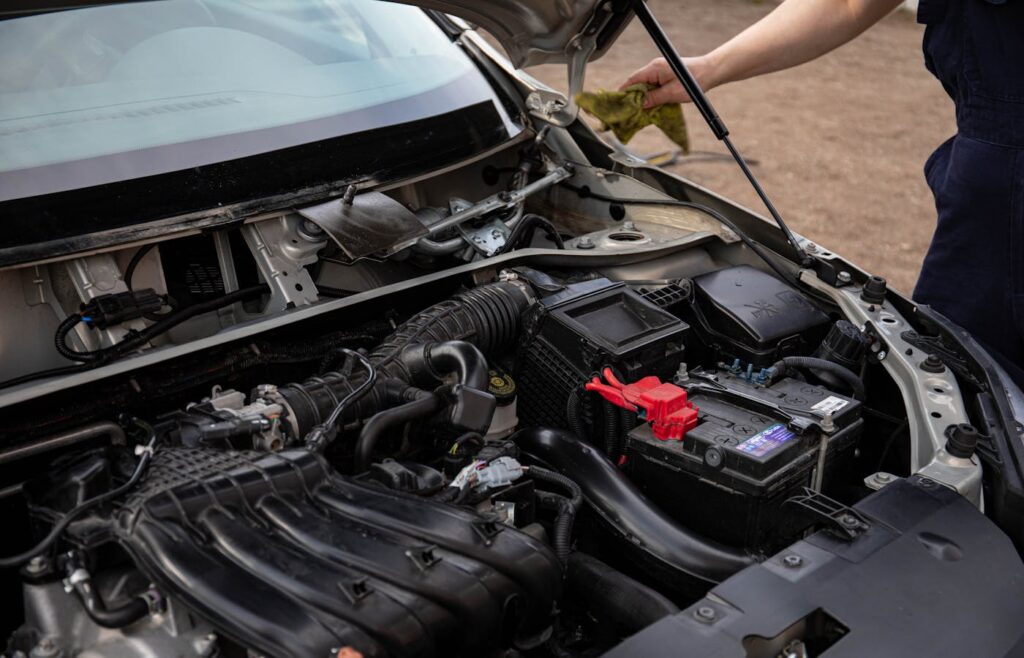
If you are parked safely and know how to do it, glance under the hood for obvious problems: steam, strong smells, loose caps, dripping fluid, or a belt that looks damaged. Do not touch hot parts, open a hot coolant cap, or lean into moving components.
| What you see | First response | Driving risk |
|---|---|---|
| Steady light, car feels normal | Plan diagnosis soon | Usually lower |
| Flashing light | Pull over safely | Higher |
| Light plus overheating | Stop when safe | High |
| Light plus fuel smell | Avoid driving | High |
Avoid resetting the light just to make it disappear
Clearing the code without understanding the problem can hide useful information. The light may go away for a while, but the underlying issue can return. If emissions testing, inspection, or a repair appointment is coming up, erasing codes can also make diagnosis harder because the car may need time to run its readiness checks again.
A code reader can be helpful, but a code is not always a complete diagnosis. It points to a system or condition, not always the exact part to replace. For example, an oxygen sensor code may involve the sensor, wiring, exhaust leaks, fuel mixture, or another related issue. That driving decision is easier to judge with battery-light guidance because the driver needs context before deciding whether to keep going.
If someone scans the car, save the exact code and whether the light was steady or flashing before clearing anything. That small note can help if the light returns later.
Use a code as a clue, not a verdict. That mindset prevents expensive guessing.
Decide whether to drive, stop, or call for help
The decision depends on the light, symptoms, and driving conditions. If the light is steady, the car feels normal, and no other urgent warning appears, you may be able to drive home or to a nearby repair shop. Keep the trip short, drive gently, and avoid towing, steep climbs, or heavy acceleration until the issue is checked. That driving decision is easier to judge with warning-sign guidance because the driver needs context before deciding whether to keep going.
A flashing light with shaking, rising temperature, smoke, or a strong smell is different. Stop when it is safe and call for help. It is usually cheaper to tow a car than to keep driving while the engine is actively struggling.
The check engine light is not always an emergency, but a flashing light or bad symptom deserves immediate caution.
- Do not ignore a flashing check engine light.
- Do not open a hot coolant system.
- Do not keep driving if the car shakes badly.
- Do not assume a fuel cap is the only possible cause.
- Do not replace parts based only on one code.
Schedule diagnosis before the problem grows
A steady check engine light should still be diagnosed. Waiting weeks can turn a small issue into poor fuel economy, failed inspection, rough running, or damage to related parts. If the car feels normal, schedule service soon rather than treating the light as background decoration.
When you contact a mechanic, describe the light clearly. Say whether it is steady or flashing, when it appeared, whether the car feels different, and whether any other lights are on. Mention recent work, recent fueling, new noises, weather, or anything unusual. Good notes can save diagnostic time.
If you use a basic code reader before the appointment, write the exact code down. Do not rely only on a vague phrase from an app or scanner.
Keep a simple check engine light routine
A routine makes the light less intimidating. First, identify steady versus flashing. Second, notice symptoms. Third, check for other warning lights. Fourth, do only safe beginner checks. Fifth, decide whether to drive gently, stop, or call for help. That order keeps the response calm.
For a new driver, it also helps to keep the owner’s manual in the car and know where the roadside assistance number is stored. You do not need to become a mechanic on the shoulder of the road. You only need enough information to make a safer next move.
- Look at whether the light is steady or flashing.
- Notice how the car feels and smells.
- Check for other dashboard warnings.
- Tighten the fuel cap if safe and relevant.
- Plan diagnosis or stop driving based on symptoms.
When the check engine light comes on, your first job is to judge risk. A steady light with no symptoms calls for prompt diagnosis. A flashing light, overheating, shaking, smoke, or fuel smell calls for stopping safely and getting help. That simple split keeps the decision practical.