How Often Should You Wash Your Car?
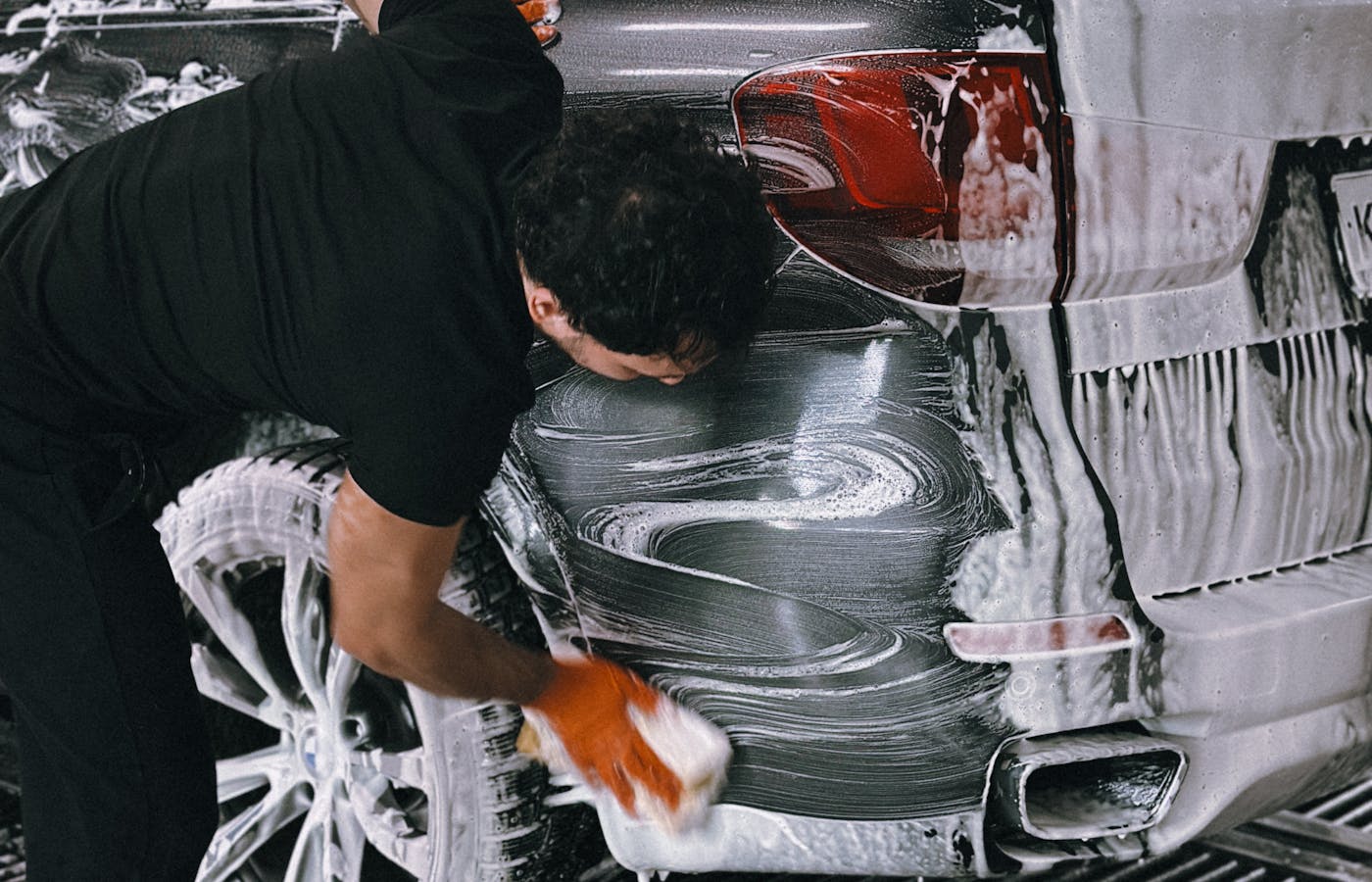
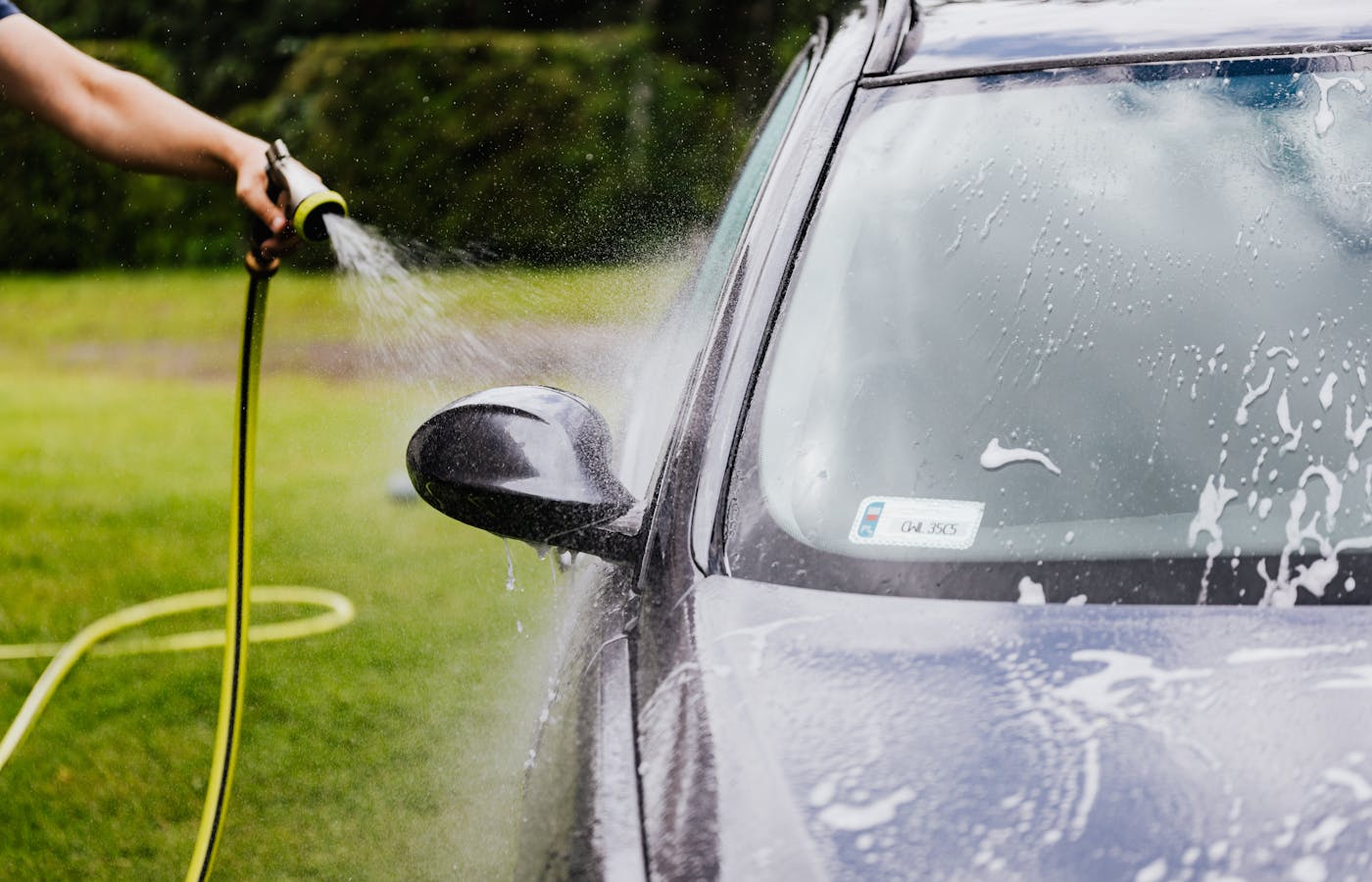
A practical car wash schedule depends less on a perfect calendar and more on what the car is exposed to. A car parked outside under trees may need attention sooner than a garage-kept car driven on dry roads. Salt, mud, bugs, bird droppings, pollen, and dust all change the answer.
A simple wash schedule protects paint, visibility, and the way the car feels to use. The goal is not to wash constantly. The goal is to remove damaging residue before it sits too long and to keep ordinary dirt from building into a bigger job.
Make two weeks the baseline sets the practical boundary for the article: ordinary tools, limited time, and a result the reader can repeat without buying a shelf of supplies. That practical boundary matters. It gives enough judgment to know when to stop, dry, reheat, rinse, or simplify.
Make two weeks the baseline
For many everyday drivers, washing every two weeks is a reasonable starting rhythm. It keeps dust, pollen, light road film, and fingerprints from building heavily. It also makes each wash easier because dirt has not had months to settle into trim and crevices.
This is only a baseline. If the car stays mostly in a garage and the weather is dry, you may stretch the interval. If the car faces salt, mud, sap, or heavy pollen, the interval should shorten.
For make two weeks the baseline, choose one visible sign that the step helped before changing the plan. That might be better texture, less mess, a cleaner surface, or an easier repeat the next time. Use make two weeks the baseline as a checkpoint, then move on only when the result looks stable enough to repeat.
| Decision | Beginner check | Why it matters |
|---|---|---|
| Normal city driving | About every two weeks | Controls ordinary dust and road film |
| Road salt or ocean air | As soon as practical | Salt can speed corrosion |
| Bird droppings or sap | Spot clean quickly | Acidic residue can mark paint |
Wash sooner after salt, mud, or heavy rain
Road salt is one of the strongest reasons to wash sooner. It can cling to lower panels, wheels, and underbody areas. After winter roads or coastal driving, rinse the car as soon as practical, especially if temperatures allow a safe wash.
Mud also deserves quick attention because it can hold moisture and grit. Heavy rain may rinse some dust away, but it can leave dirty water marks and road film behind. Rain is not a real car wash.
For wash sooner after salt, mud, or heavy rain, keep the tool choice modest and clean. A fresh microfiber cloth, soft brush, or gentle vacuum pass usually solves more than an aggressive product used too early on a delicate surface. Wash sooner after salt, mud, or heavy rain is strongest when the reader can compare one clear before-and-after cue instead of guessing from memory.
Spot clean bird droppings, bugs, and sap
Some messes should not wait for the next full wash. Bird droppings, smashed bugs, and tree sap can be harsh on paint. Remove them gently with water and a paint-safe cleaner instead of scraping. The sooner they soften and lift, the less risk they create.
Keep a small microfiber towel and safe quick-clean product available if the car is often parked under trees or near birds. Do not rub dry residue into the paint. Soften first, then wipe lightly.
For spot clean bird droppings, bugs, and sap, check the basket before adding more minutes. Food can look underdone because it needs shaking, turning, drying, or more space rather than a much longer cook. This keeps spot clean bird droppings, bugs, and sap practical for a normal kitchen or driveway, not just for an ideal weekend project.
- Soften stuck residue before wiping.
- Use clean microfiber, not a rough paper towel.
- Avoid scraping with fingernails or hard edges.
- Rinse the area after spot cleaning when possible.
Let parking and driving habits guide the schedule
A garage-kept car usually stays cleaner than a street-parked car. A car driven daily on highways collects more bugs and road film than a car used for short errands. Dusty rural roads, construction zones, and tree-covered parking all shorten the wash interval.
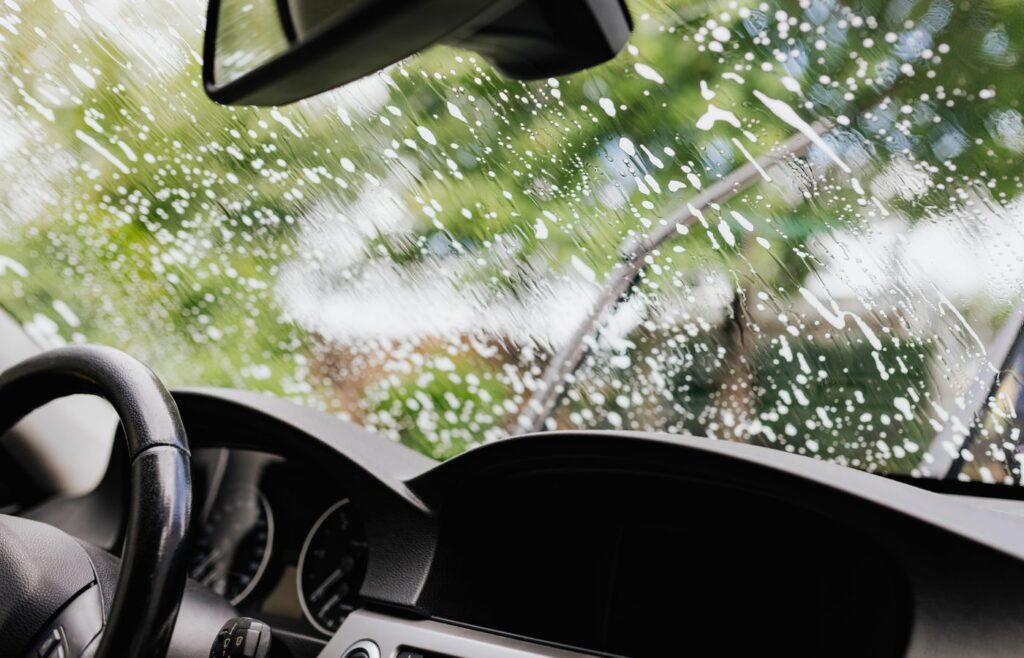
Look at the areas that collect grime first: lower doors, wheels, windshield, rear hatch, mirrors, and front bumper. If those areas are dirty enough to affect visibility, touch, or paint exposure, the car is ready for a wash.
For let parking and driving habits guide the schedule, write down the detail that made the step easier. That note turns a one-time fix into a repeatable habit. If the result is still uncertain, pause here and repeat the gentlest useful pass before adding another variable or extra product.
Do not overwash with harsh tools
Washing often is not automatically better if the method is rough. Dirty sponges, harsh brushes, and dry wiping can scratch paint. Use car wash soap instead of household detergent, rinse loose grit first, and dry with clean towels.
If you use automatic washes, choose carefully. Some are gentler than others. A frequent rough wash can create more visible wear than a less frequent careful wash. Method matters as much as timing.
For do not overwash with harsh tools, use a clean side of the towel for the final pass. Small residue can make an otherwise clean car look unfinished, especially on glass, trim, and dark seats. That restraint makes the advice easier to trust because each step earns its place in the routine and avoids unnecessary rework.
- Check whether the dirt is ordinary dust or damaging residue.
- Spot clean urgent messes first.
- Choose a full wash when lower panels and glass are dirty.
- Use gentle tools and car-safe soap.
- Dry the car to reduce water spots.

Set a schedule realistic enough to keep
A perfect wash schedule that never happens is not useful. Choose a rhythm you can repeat. For most drivers, that means a regular exterior wash plus quick spot cleaning when harsh residue appears.
How often should you wash your car? Start around every two weeks, then adjust for salt, mud, pollen, sap, bugs, parking, and weather. The right schedule is the one that keeps residue from sitting too long without turning car care into a constant chore.
For set a schedule realistic enough to keep, look for the point where more effort stops improving the result. Stopping there keeps the routine practical. A simple note after this step also helps the next attempt start from experience rather than trial and error.
When in doubt, wash because of conditions rather than guilt. The car tells you when the calendar is not enough.
There is also a difference between a full wash and a quick rinse. A dusty car may need a careful full wash so grit does not scratch the paint, while a salt-covered lower panel may need attention even if the upper panels still look decent. Let the type of residue decide the urgency.
The schedule can change by season. Winter salt, spring pollen, summer bugs, and autumn tree sap all create different reasons to shorten the interval. If the car is used for long highway trips or parked outside daily, build the wash rhythm around those exposures instead of copying a generic calendar.
A realistic plan might be a full wash every two weeks, quick spot cleaning for droppings or sap, and an extra rinse after salt or mud. That combination protects the finish without making washing feel endless, and it gives beginners a routine they can actually keep through busy weeks.
If the car still looks clean but the windshield, mirrors, or lights are dirty, handle those areas first. Visibility is part of cleaning, not a separate maintenance category.
Drivers who park under trees should also watch for sticky drops even when the rest of the car looks acceptable. Small residue can harden quickly in sun.