How to Understand Car Trim Levels
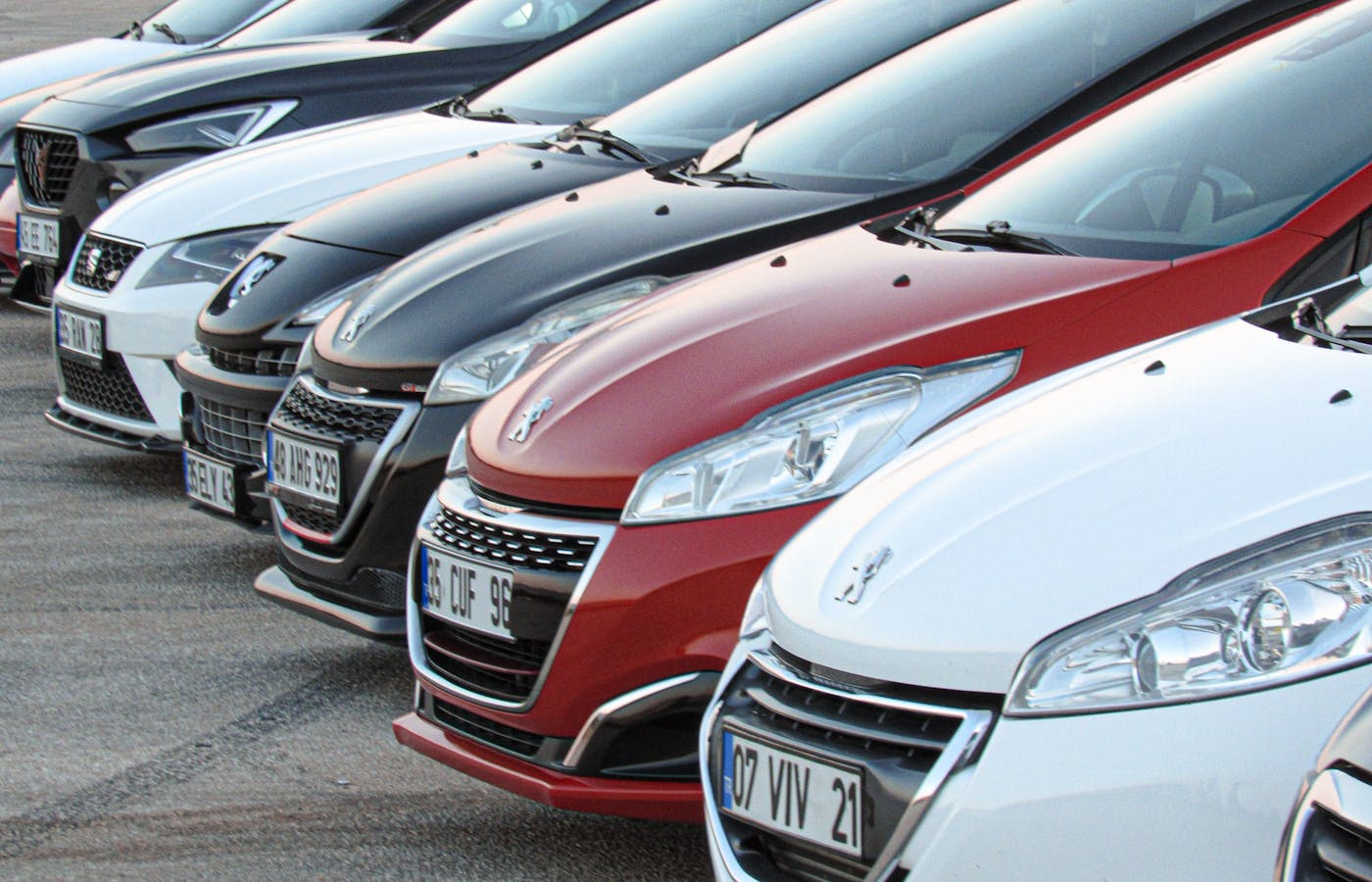
Car trim levels can make the same model feel like three different vehicles. One version may be simple and affordable, another may add comfort features, and the most expensive one may include technology you barely use. That is why learning how to understand car trim levels helps before a test drive or price conversation.
A trim level is basically a version of a car model. It changes what comes standard, what can be added, and how much the vehicle costs. I like to think of trims as layers: the car underneath may be similar, but each layer adds equipment, style, convenience, performance, or safety features.
Start with the model before comparing trim levels
The model is the main vehicle name, while the trim is the version inside that model. For example, a compact SUV may have one body shape and engine family, but several trims with different wheels, seats, screens, driver assistance features, and interior materials. If you compare trims before understanding the model, the options can feel more confusing than they are.
Begin by asking whether the model itself fits your life. Check size, cargo space, fuel economy, seating position, visibility, warranty, reliability reputation, and how it feels on a normal drive. A higher trim cannot fix a model that is too small, too thirsty, uncomfortable, or wrong for your daily route.
Once the model makes sense, trim levels become easier to judge. You are no longer asking whether the whole vehicle is right. You are asking which version gives you the features you will actually use at a price that still feels reasonable.
This order protects beginners from being impressed by shiny upgrades too early. A panoramic roof, larger screen, or premium seat material can feel exciting during a short visit, but the basic fit of the vehicle matters more over years of driving.
Know what a base trim usually includes
The base trim is usually the least expensive version of a model, but that does not automatically mean it is bad. Many modern base trims include air conditioning, power windows, backup cameras, phone connectivity, basic safety systems, and enough comfort for daily driving. For some buyers, the base trim is the smartest value because it keeps the price lower without removing the essentials.
The risk is assuming every base trim is equally complete. Some brands make the entry version practical and well equipped. Others keep it very plain so the next trim looks more attractive. Read the standard feature list carefully instead of relying on the word base as a shortcut.
Pay attention to features that affect daily use, not just showroom appeal. Manual seat adjustments, smaller wheels, fewer USB ports, basic headlights, cloth seats, or a simpler audio system may be perfectly fine. Missing blind spot monitoring, heated mirrors, rear air vents, or keyless entry may matter more depending on where and how you drive.
A base trim deserves a real test drive. If it feels comfortable, safe, and complete enough, you now have a useful price anchor. Every higher trim must prove why the extra money makes sense.
Separate mid trims from top trims
Mid trims often provide the best balance because they add features many drivers notice without jumping to the highest price. A mid trim may include larger wheels, upgraded seats, better infotainment, extra driver assistance tools, improved lighting, heated seats, or convenience features that make daily use easier. These additions can be worthwhile if they solve real needs.
Top trims usually add the most luxury, style, technology, or performance. They may include premium audio, leather or synthetic leather seats, bigger screens, ventilated seats, advanced camera systems, special exterior details, or stronger engine options. These features can be enjoyable, but they are not always necessary.
The mistake is treating the top trim as automatically the best choice. It may be the most complete version, but the best value depends on your budget, ownership plans, insurance cost, resale expectations, and how much you care about each feature. A top trim can also push the price close to a larger or more premium model.
| Trim type | Typical role | Beginner question |
|---|---|---|
| Base | Lowest price and core features | Does it already cover my daily needs? |
| Mid | Useful comfort and safety upgrades | Which upgrades would I notice every week? |
| Top | Most technology, style, or luxury | Am I paying for wants or real needs? |
Use the table as a quick filter, not a final answer. The actual value changes by brand and model year, so the same trim position can mean different things from one vehicle to another.
Watch option packages and standalone features
Trim levels are only part of the story because some vehicles also offer option packages. A package groups several features together for one price. You might want heated seats, but the only way to get them could be through a package that also includes a bigger screen, upgraded audio, special wheels, or a sunroof.
This is where buyers can accidentally spend more than planned. A package may look reasonable at first, but it can move the total price, taxes, financing amount, and insurance cost higher. Before accepting a package, list the features inside it and mark which ones you truly care about.
Some features may also be standalone options. That can be useful when you want one specific upgrade without moving to a much higher trim. It can also make inventory harder to compare because two cars with the same trim name may not have the same equipment.
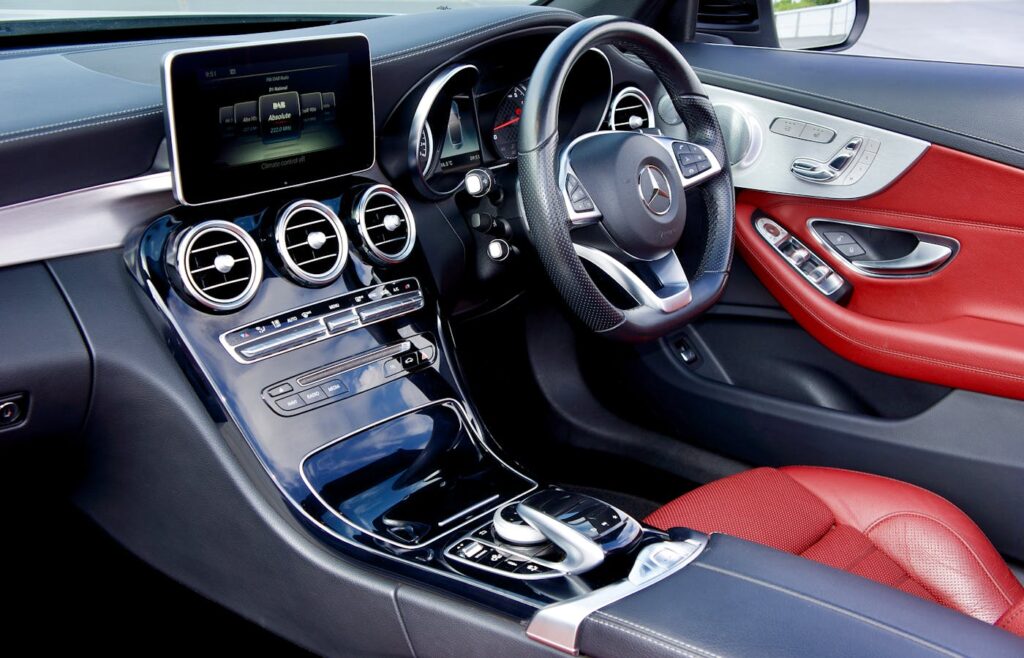
When comparing cars online or on a lot, check the exact window sticker or build sheet. Trim badges and dealer summaries can miss details. The written equipment list is what tells you whether the vehicle in front of you has the features you expect.
Focus on features that change daily ownership
Not every upgrade deserves the same attention. Some features are nice during a short test drive but fade into the background later. Others affect comfort, safety, parking, weather, phone use, cargo loading, or long commutes every week. Beginners should rank features by how often they will matter.
Good daily-use features often include:
- Driver assistance tools you understand and will keep turned on.
- Headlights that improve visibility on your normal roads.
- Seats that stay comfortable after more than a short drive.
- Phone connection and controls that are easy to use while parked.
- Climate features that match your local weather.
- Parking cameras or sensors if you regularly use tight spaces.
It is also fair to care about appearance. Wheels, paint, interior color, and trim pieces can make a car feel more enjoyable to own. The key is being honest about the difference between enjoyment and necessity. A feature can be worth paying for because it makes you happy, but it should not hide the real cost.
For a family car, rear seat space, easy-clean materials, vents, charging ports, and cargo access may matter more than a premium sound system. For a commuter, fuel economy, seat comfort, adaptive cruise control, and headlights may carry more weight than exterior styling. The best upgrade is the one you keep noticing after the first week.
Compare trim levels by full cost, not only price
The price difference between two trims is not the only cost to compare. A higher trim can affect taxes, registration, loan interest, insurance, tire replacement cost, wheel repair, and depreciation. Larger wheels may look better but can make tires more expensive. Performance versions may cost more to insure or maintain.
Financing can make upgrades feel smaller than they are. An extra amount spread across a monthly payment may seem harmless, but it still raises the total you owe. If the higher trim adds features you will use for years, that may be fine. If it only adds small luxuries, the money may be better kept for maintenance, insurance, emergency savings, or a shorter loan.
Compare trims with a repeatable routine:
- Choose the model that fits before looking at upgrades.
- Write down must-have features and nice-to-have features.
- Check which trim includes the must-haves without packages.
- Add package costs only when most features matter to you.
- Compare monthly cost, total price, insurance, and likely tire cost.
- Test drive the trim closest to what you would actually buy.
This routine keeps the decision practical. Instead of asking which trim is best in general, you are asking which version gives you the strongest match for your real driving, budget, and comfort needs.
Choose the trim that still feels sensible later
A good trim choice should make sense after the excitement of shopping fades. You should be able to explain why you paid for the features you chose and why you skipped the ones you did not need. That does not mean buying the cheapest version. It means buying the version that fits your life without stretching the decision too far.
If you are unsure, compare the base and mid trim first. Then compare the mid and top trim only if the mid version is missing something important. This keeps the process from turning into a climb where every feature makes the next price jump feel normal.
I would also avoid buying a higher trim only because it is the one available today. Inventory pressure can make a mismatched vehicle feel urgent. If the trim is too expensive or loaded with features you do not want, waiting or widening the search may be the calmer choice.
Car trim levels are easier to understand when you treat them as feature-and-price decisions, not status labels. Start with the right model, study the base trim, compare useful upgrades, watch packages, and measure the full cost. The right trim is the one you can live with comfortably after the paperwork is finished.