Emergency Car Kit Checklist for Beginners

An emergency car kit is not only for dramatic roadside situations. It can help with a dead battery, minor injury, sudden weather, a flat tire, a long wait, or a phone that runs out of power.
Ready.gov and NHTSA-style safety guidance both point to the same idea: visibility, communication, water, first aid, and weather protection matter before fancy tools. A kit should help you stay seen, reachable, and safe while waiting for help.
The best beginner kit is practical and easy to find. It should live in one container, match your climate, and include items you understand how to use. A kit packed with unfamiliar tools is less helpful during stress.
Build the kit around the situations you are most likely to face first: a phone that needs power, a dark roadside stop, a small cut, a long wait, weather, or a tire problem. Once those basics are covered, extra tools can be added only if you know where they are and how they work.
Start with visibility and communication
If something goes wrong, other drivers need to see you and you need a way to call for help. A flashlight, reflective triangles, a phone charger, and a small power bank can matter more than many complicated tools.
Keep these items easy to reach, not buried under luggage. If the car stops at night or in bad weather, visibility becomes part of safety. Test the flashlight occasionally so dead batteries do not surprise you.
| Choice | Beginner check | Why it matters |
|---|---|---|
| Visibility | Flashlight and reflective marker | Helps others see the stopped car |
| Communication | Charger and power bank | Keeps phone usable |
| Basic care | First aid kit and gloves | Handles small injuries safely |
Carry a basic first aid kit
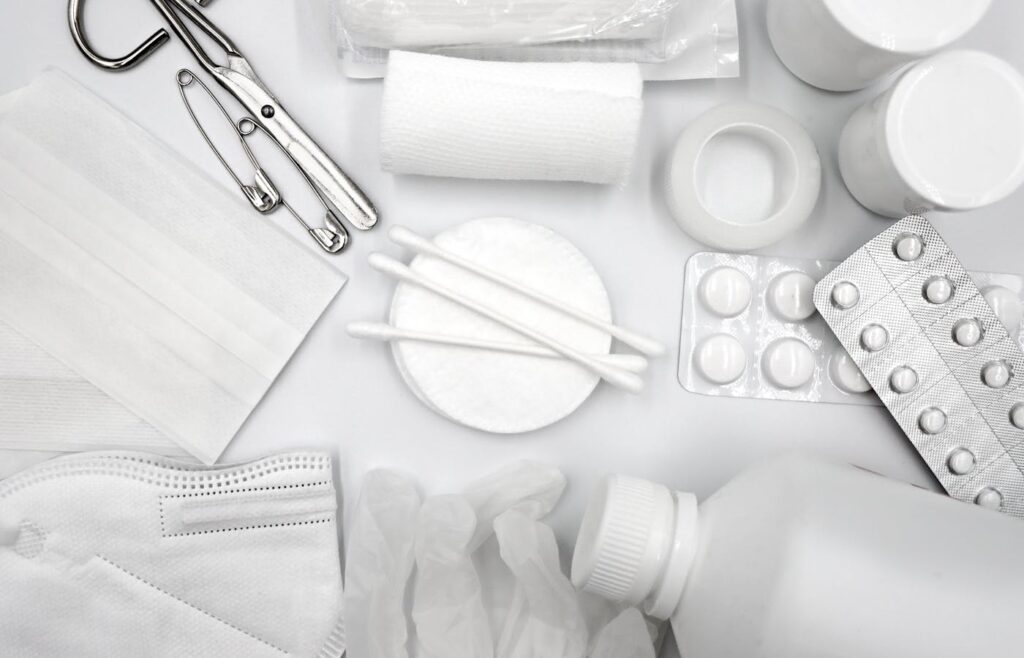
A first aid kit should include bandages, gauze, antiseptic wipes, gloves, and any personal items your household may need. It is not a replacement for medical help, but it can help manage small cuts or scrapes while you decide the next step.
Include water and simple comfort items
Water, a blanket, and a few shelf-stable snacks can help during a long wait. This matters during traffic delays, roadside assistance waits, or weather events when leaving the car may not be safe.
Choose items that tolerate your climate. Heat can damage some foods and containers, while freezing weather changes what makes sense. Rotate supplies seasonally so the kit stays usable.
- Water appropriate for your climate.
- A blanket or emergency wrap.
- Shelf-stable snacks.
- Tissues or wipes.
- A small trash bag for cleanup.
Add tire and battery basics carefully
A tire pressure gauge, inflator, jumper cables, or jump starter can be useful, but only if you know how to use them. Read instructions before an emergency. Practice locating the spare tire, jack points, or charging ports when the car is safely parked. The kit is easier to use when basic first-car ownership has already made ordinary checks feel familiar before stress enters the situation.
Do not add a tool just because a checklist mentions it. If you cannot use it safely, it may only create confusion. A smaller kit that you understand is better than a crowded trunk organizer full of items you will not touch when you are tired, cold, or waiting beside traffic.
Not every vehicle has the same tire setup. Some have spare tires, some have inflator kits, and some need roadside assistance. Your kit should match the car you actually drive.
Keep documents and key information together
Emergency contacts, insurance information, registration, roadside assistance details, and medical notes for regular passengers can save time. Keep documents organized and protected from moisture.
Do not store sensitive information carelessly. Use only what would help during a roadside problem, and keep the rest secure. A simple folder in the glove box is often enough.
- Check the spare tire or inflator setup.
- Place safety items where they are reachable.
- Store first aid and documents together.
- Rotate water and snacks by season.
- Review the kit before road trips.
Adjust for weather and regular routes
A driver in winter weather needs different items from a driver in a hot climate. Ice scraper, gloves, extra socks, sunscreen, rain poncho, or a small towel may matter depending on where you drive.
Store the kit so it stays useful
A loose pile in the trunk can scatter, leak, or become hard to find. Use a small bin, bag, or organizer. Label it if other people use the car so everyone knows what it is.
A simple emergency car kit check routine
Keep a small kit note where it is easy to see. A line such as “flashlight batteries replaced,” “water rotated,” or “jumper cables moved to trunk side pocket” makes the next check faster and prevents guesswork.
When to adjust the emergency car kit plan
A beginner emergency car kit should be simple, visible, and matched to your vehicle. Build it before you need it, then keep it updated as seasons and routes change.
Review the kit after any roadside event, long trip, seasonal change, or time someone borrows the car. Replace used water, dead batteries, expired items, and anything that moved from its usual spot. The kit only helps if it is complete when the next small problem appears.
Keep the kit simple enough that another driver can understand it too. If family members share the vehicle, show them where the kit is and which items are for visibility, comfort, first aid, and phone power. A kit hidden under clutter may as well not be there.