Safety Checklist Before a Long Road Trip

The hour before a long drive can feel messy: bags by the door, people asking about snacks, phones charging, and someone trying to leave already. That is exactly when car checks get skipped. A short road trip safety routine helps you catch the obvious problems before they become expensive, stressful, or dangerous far from home. When the advice affects driving risk, NHTSA road-safety guidance is useful context before treating the step as optional.
I like a road trip check that has clear stopping points. If the car looks normal, the checklist should move quickly. If something feels off, the checklist should make it easier to decide whether to fix it, delay the trip, or get help before leaving.
Start the long road trip safety checklist with the route
The same car can be ready for a ten-minute errand and not ready for a six-hour highway drive. Start by looking at the actual trip: distance, weather, road type, passengers, cargo, time of day, and how remote the route will be. A mountain drive, desert route, winter trip, or late-night highway run deserves more preparation than a short daytime visit to the next town.
Think about where help would be available if something went wrong. If the route has long gaps between towns, weak phone signal, extreme heat, snow, or heavy rain, the checklist should include extra water, charging, warm layers, visibility items, and a more careful tire and fluid review.
The useful question is not whether the car is perfect. The useful question is whether the car, driver, passengers, and route are ready for this specific drive. That small shift keeps the checklist practical instead of vague.
| Trip factor | What to add to the check |
|---|---|
| Long highway distance | Tires, fluids, fuel plan, rest stops |
| Bad weather | Wipers, lights, traction, visibility, warm or dry gear |
| Remote route | Water, charger, emergency contacts, roadside supplies |
| Heavy cargo | Tire pressure, secure load, braking distance |
Do a slow walkaround while the car is still parked
A walkaround is one of the easiest ways to catch road trip problems early. Look at all four tires, lights, glass, mirrors, license plates, roof cargo, open panels, and the ground under the car. You are looking for anything that would make you stop if you noticed it after ten miles: a low tire, cracked windshield, hanging plastic, leaking fluid, loose cargo, or a light that does not work.
Do not rush the rear of the car. Check the trunk or hatch, rear lights, backup area, and anything attached outside the vehicle. If you have bikes, luggage, a cargo box, or a hitch carrier, tug and inspect it before the car moves. Highway wind can turn a slightly loose item into a real hazard.
Look under the car for fresh puddles, especially if the car sat overnight. Water from air conditioning can be normal, but oil, coolant, brake fluid, or fuel smells deserve attention before leaving. If you are unsure what a leak is, do not treat a long trip as the test drive.

Check tires, pressure, tread, and visible damage
Tires carry the road trip, so they deserve a real check. Look for low pressure, uneven wear, cuts, cracks, bulges, nails, exposed cords, or one tire that looks different from the others. A tire can look only slightly low and still be unsafe at highway speed, especially with passengers or luggage.
Use the recommended cold tire pressure from the driver door sticker or owner’s manual, not the maximum number printed on the tire sidewall. Check when the tires are cold if possible. If you must add air during the trip, recheck later when the tires have cooled so you know whether the pressure is stable.
Tread matters for wet roads and braking. If tread is very worn, uneven, or damaged, do not convince yourself that the trip will probably be fine. Long-distance driving gives small tire issues more time to become bigger problems. The spare tire or inflator kit should also be checked before leaving, because discovering a useless spare on the shoulder is a miserable way to learn.
- Check all four tires, not only the one that looks low.
- Confirm the cold PSI target on the door sticker.
- Look for sidewall bulges, cuts, nails, and uneven wear.
- Check the spare, inflator kit, jack, or roadside plan.
- Do not start a long trip on a tire that keeps losing air.
Review fluids, lights, wipers, and warning signs
Before a long road trip, check the fluids your vehicle allows you to inspect safely: engine oil, coolant level, windshield washer fluid, and any other owner-manual checks that apply to your car. Do not open a hot cooling system. If the engine has been running, let it cool and follow the manual before touching caps or reservoirs.
Windshield washer fluid sounds small until bugs, dust, salt, or rain make the glass hard to see. Top it up before leaving, and make sure the wipers do not smear the windshield into a blur. Replace badly worn wipers before a weather-heavy drive. Visibility is not comfort; it is safety.
Test exterior lights if you can. Headlights, brake lights, turn signals, hazard lights, and taillights matter more on highways, in rain, at dusk, and during roadside stops. If an oil pressure warning light or another dashboard warning is already on, identify it before leaving. Oil pressure, overheating, brake, battery, airbag, or flashing check-engine warnings are not good travel companions.
Prepare the cabin before the first mile
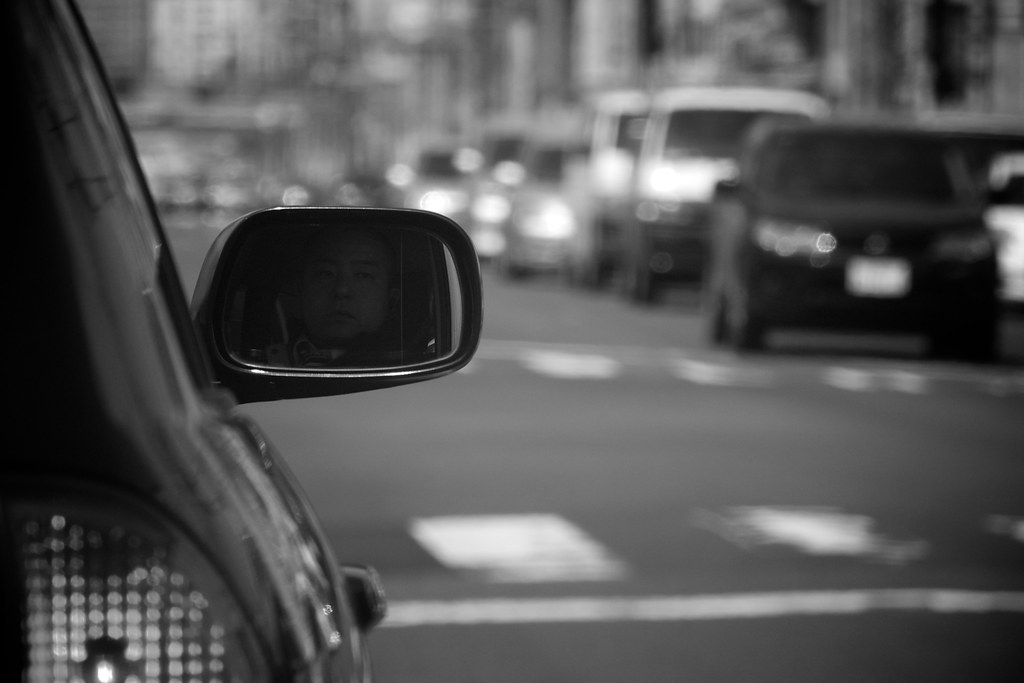
The inside of the car affects safety too. Adjust the seat, mirrors, steering wheel, and climate before leaving the driveway or parking space. Set navigation while parked. Put the phone where it will not slide under your feet or tempt your hands. A long trip gives distractions more chances to pile up.
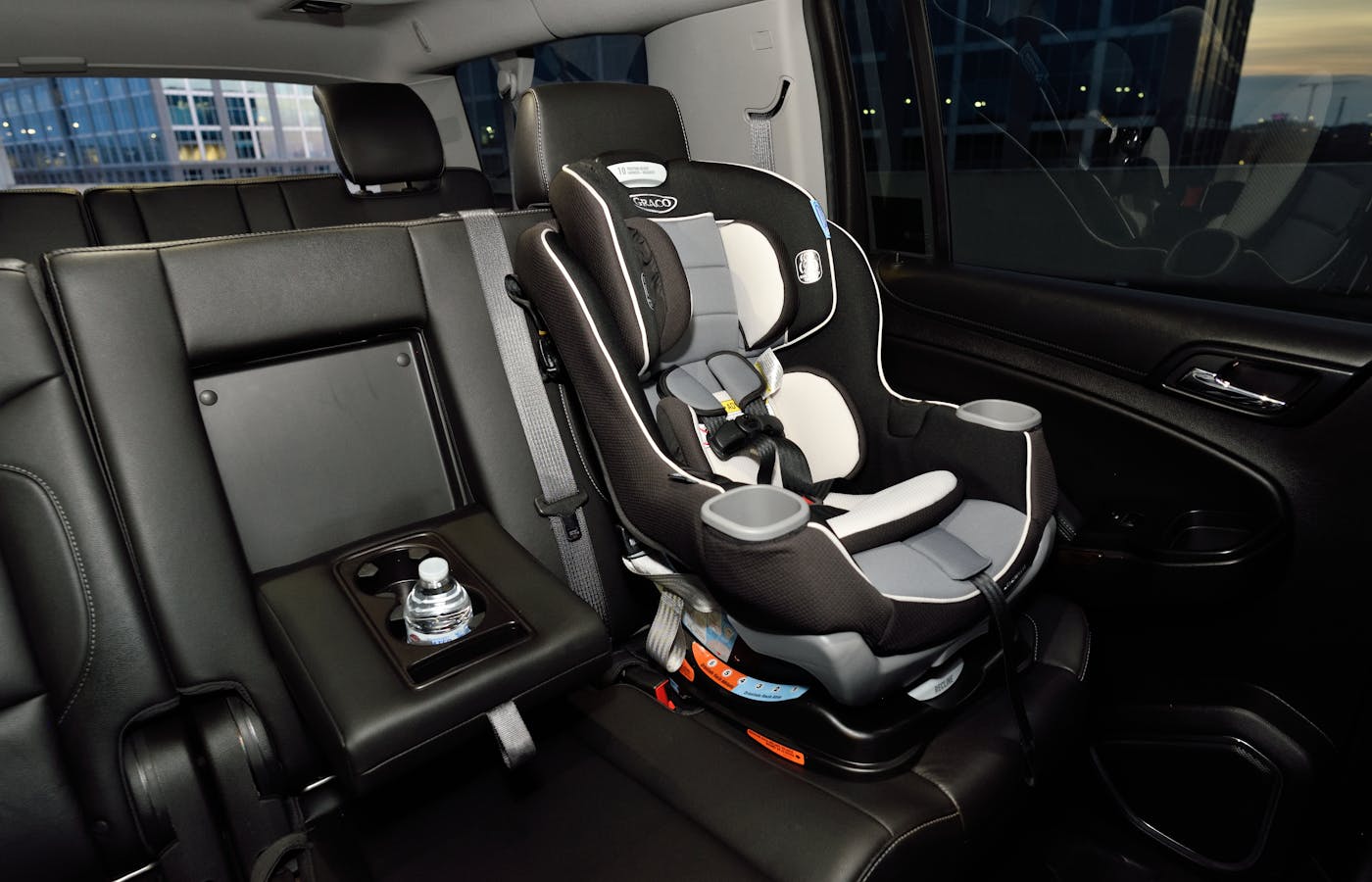
Seat belts should be cleanly buckled for every passenger, and child seats should be installed according to the seat instructions, vehicle manual, and local requirements. Do not wait until the car is rolling to fix twisted belts, loose straps, or a seat that moves more than it should.
Secure loose cargo, bottles, bags, tools, coolers, sports gear, and pet carriers. A heavy object on the rear seat can move forward during a hard stop. A water bottle near the driver’s feet can interfere with pedals. The cabin does not need to look empty, but the driver area needs to stay clear. A long-trip safety check should also include the roadside items from an emergency car kit checklist.
- Set mirrors, seat, route, and climate while parked.
- Buckle every passenger before the car moves.
- Keep bottles, bags, and chargers away from pedals.
- Secure pets and cargo so they cannot shift suddenly.
- Keep essential items reachable without digging while driving.
Pack supplies for delays, not for imaginary disasters
A road trip safety kit should help with the most likely delays: a flat tire, dead phone, minor injury, weather wait, hungry passengers, or a long roadside stop. You do not need to pack the whole garage. You do need enough basics to stay visible, hydrated, charged, and calmer while you wait for help or make a safe decision.
Start with water, phone charger, flashlight, first aid basics, tire pressure gauge, jumper cables or a jump starter if you know how to use it, gloves, paper towels, and roadside assistance information. Add seasonal supplies based on the route. Cold weather may call for a blanket, scraper, traction aid, and warm gloves. Heat may call for extra water and sun protection.
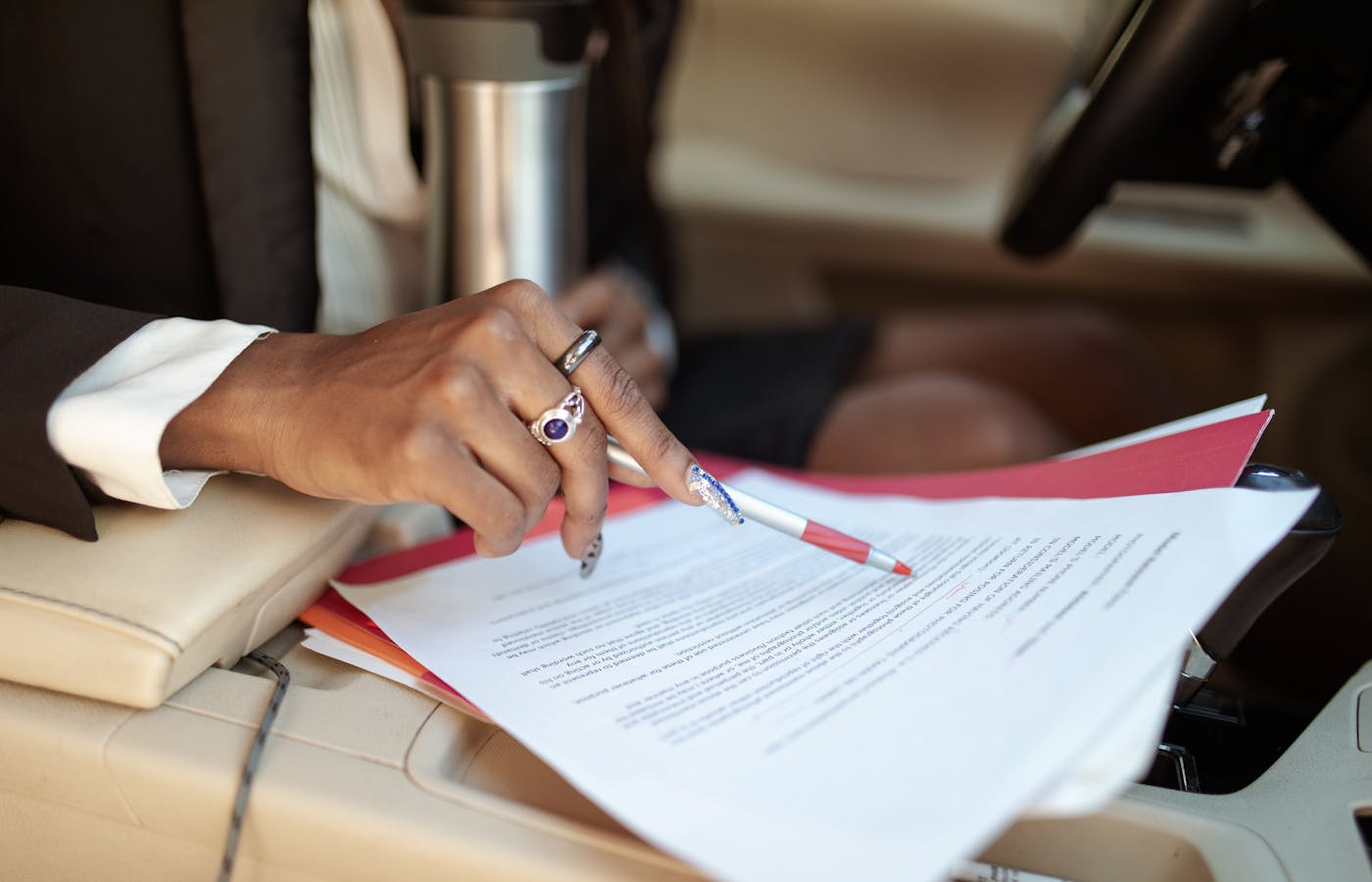
Documents matter too. Keep registration, insurance, emergency contacts, and roadside assistance details easy to find. If someone else may drive, make sure they know where these items are. A good kit is not impressive because it is huge. It is useful because it can be found quickly when everyone is already stressed.
Decide what would make you delay the trip
The final part of the checklist is a boundary. Some problems are not “watch it and see” items before a long drive. Do not start a road trip with a flat or repeatedly leaking tire, brake warning, overheating, fuel smell, smoke, severe vibration, soft brake pedal, steering problem, or a warning light you do not understand.
If something feels different during the first few miles, take it seriously. New pulling, grinding, burning smell, shaking, or temperature change is information. Pull over somewhere safe, turn on hazard lights if appropriate, and decide before the route gets more difficult.
By the time you finish, the goal is fewer unknowns, not a false sense of certainty. Check the route, walk around the car, inspect tires, review fluids and warning lights, prepare the cabin, pack useful supplies, and respect the signs that mean wait. That is enough to make the start of the trip calmer and safer.